
The Complete Wedding Weekend Travel Planning Checklist
Room blocks, event space, and guest logistics for a wedding weekend, with Hilton's online booking limits and the contract terms to check before signing anything.
Room blocks, event space, and guest logistics for a wedding weekend, with Hilton's online booking limits and the contract terms to check before signing anything.

One organizer, one anchor booking, two daily paces. Verify lodging accessibility in writing, use the official assistance windows, and alternate big days with slow ones so toddlers, teens, and grandparents each get a trip that fits.

The honest answer: it depends on the route, the season, and how flexible you are — here is how to decide, without trusting a single magic number.

How to eat well, walk the history, and spend your money where it actually helps the people who live there.
A curb-to-gate walk-through of the modern airport, with the timing, paperwork, and backup plans that keep a trip on schedule.
Four Highland loops, ranked for scenery against effort — with the midges, the single-track roads, and the slow math nobody warns you about.
Checked bags are ruled by weight, carry-ons by size — here is how airline baggage allowances actually work, and where the fees sneak in.

Risk, reinvention, and the quiet math of a dining room that decides to go deep rather than go big.

Neighborhood walks, craft studios, and morning markets that sit outside the bus-stop crowds.

How to pick between lift-served valleys and quiet ones, plan around rifugio nights, and time your days so the crowds stay behind you.

Where you apply can matter as much as what you apply for — here is how to read the posted timelines and build in a buffer.

A plain-language decoder for the accommodation jargon, so the listing you pay for matches the stay you pictured.

Rome's headline sights reward a plan. Here's how to sequence the big three, find breathing room, and build days that don't end in a queue.

Routine renewal costs $130 and runs about four to six weeks plus mail time as of August 2026; the $60 expedited option cuts processing to two to three weeks.
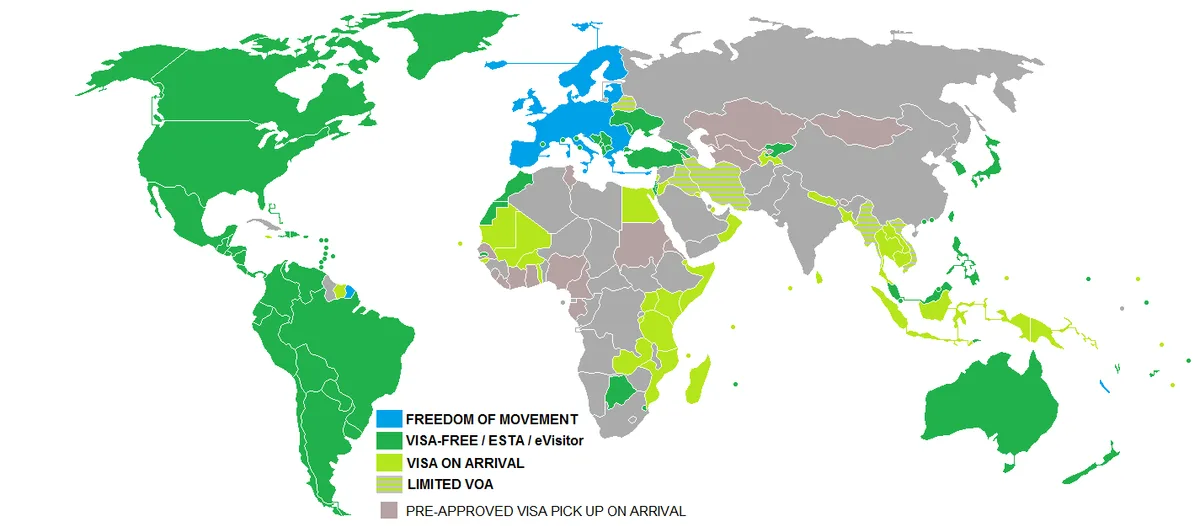
Advance visas, e-visas, and stamps at the border — how the three tiers differ, and how to confirm the rule for your passport before you book.

A connecting flight can need its own paperwork — even when you never leave the airport.

Appointments, documents, fees, and the interview — what actually happens between booking and the answer, as of August 2026.

The date printed on your visa is not always the date that rules your stay — at the border, the entry stamp or its digital record starts a clock of its own.

Emission rules, shore power and port capacity now decide where big ships go — and what your next sailing looks like.

Since May 7, 2025, TSA requires a Real ID-compliant license or a passport at domestic checkpoints; a year on, non-compliant travelers face extra screening, not a flat ban.