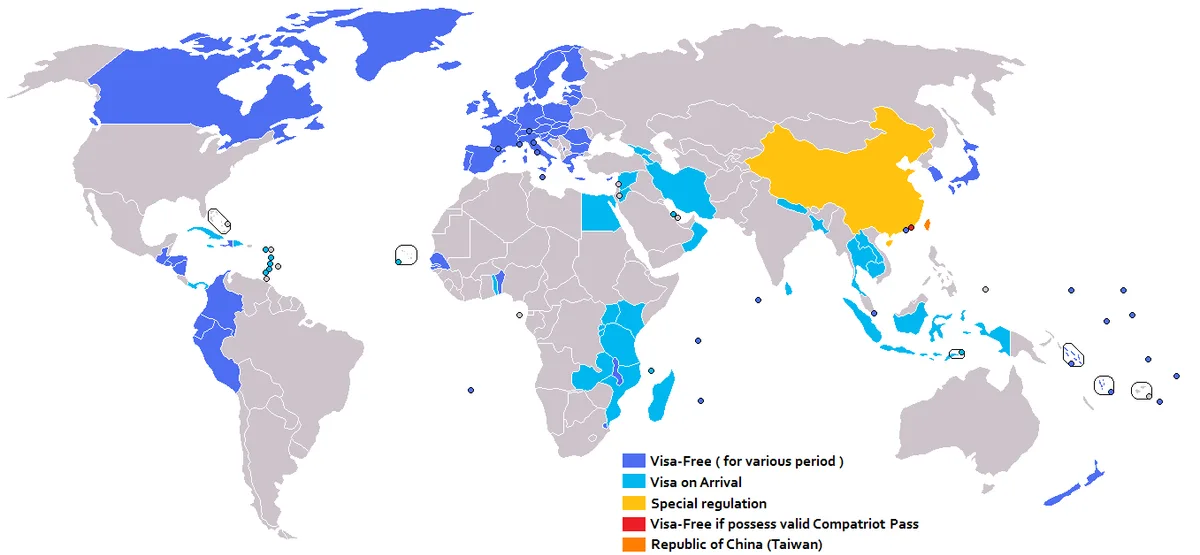
US travelers need an approved Electronic Travel Authorisation (ETA) to enter Kenya, even though Kenya no longer issues visas: since January 2024 the country has been visa-free in name, with prior approval required for essentially all visitors, per the government's published policy as of early 2026. The application goes through the official portal etakenya.go.ke, costs about $32 including processing fees, and is typically approved within three days — the government's own guidance is to apply at least three full days before travel, though a safari calendar argues for two weeks or more. An approved ETA permits a single entry with a stay of up to 90 days.
Rules change — verify at the official portal before booking. This is information, not immigration advice.
What does the Kenya ETA application need?
The form is short but document-heavy: a passport valid at least six months beyond arrival, a passport-style photo, a selfie for the face check, contact details, and supporting documents — a return or onward ticket, hotel or safari booking, and, per published guidance, evidence of sufficient funds. Payment is by card at submission, and the approval arrives by email as a PDF authorization. Print it and save it offline: carriers flying to Nairobi and Mombasa check the ETA at boarding, remote lodges cannot always receive attachments, and park lodges and internal carriers may ask for a copy. Applications are individual, including children — a family of four files four times and pays four fees.
How long does approval take?
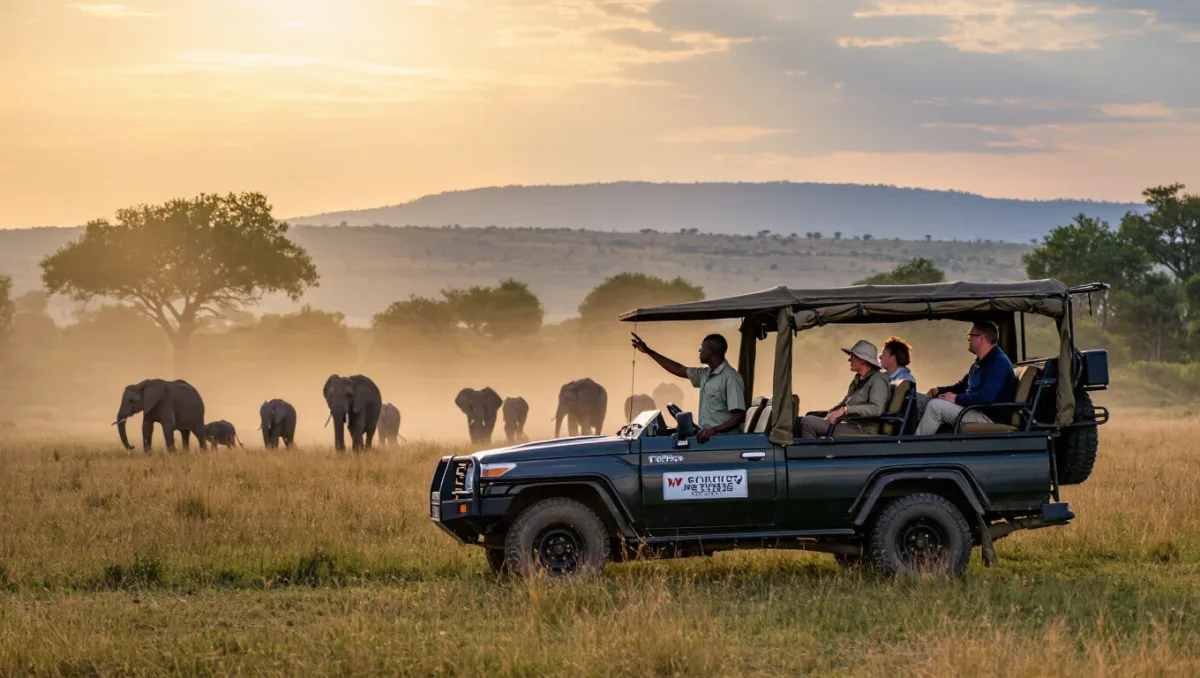
The published standard is around three days, and many approvals come faster — but the tail is real, particularly in the July-October safari peak when the Maasai Mara's migration season loads the system. Apply as soon as the itinerary firms up rather than counting on the three-day standard; the authorization's validity window runs from approval, so a month-out application for a date-certain trip is normal practice for peak season. If approval has not arrived within the stated window, the portal's support channel is the only remedy — third-party agents cannot accelerate an application, and most exist to resell the same form at multiples of the government fee.
What can you do on an ETA?
Tourism, family visits, and short business meetings — one entry, up to 90 days, with no permitted employment or paid activity. It does not permit employment, and the single-entry limit matters for regional itineraries: a side trip to Tanzania or Uganda closes the authorization, and re-entering Kenya requires a new ETA and a new fee. Travelers planning a two-country safari loop should either sequence Kenya last or budget the second application. Extensions beyond 90 days are handled inside Kenya through immigration offices, not at the border, and are granted case by case.
What else should the trip plan include?
- Yellow fever vaccination: Kenya requires certificates for arrivals from endemic countries and recommends the vaccine broadly for travelers over nine months; check current health requirements for your route, per Kenya's health authorities and WHO guidance.
- Malaria prophylaxis: standard medical guidance for most safari regions — a travel-health conversation, weeks before departure.
- Proof of onward travel and accommodation, checked at boarding and again at immigration.
- Cash in small US dollar bills for park fees at some gates and gratuities; card acceptance is growing but uneven.
When in the year should the ETA and the trip be timed?
Align the application calendar with the wildlife calendar. The Mara migration peaks July through October; January-February suit the southern parks and beach extensions; April-May's long rains close some roads and discount lodges heavily. Application volume tracks the same curve — the July queue starts forming in May, which is the sensible submission month for a peak-season trip. Note two recent scheduling factors for the region: East African neighbor rules differ, with Tanzania still issuing visas on arrival for US citizens and each country pricing park entry separately, and the Great Migration moves, so a Mara-focused August trip and a Serengeti-focused February trip are two itineraries, not one template.
What about families and children?
Every traveler needs an individual ETA, regardless of age, and each child needs passport, photo, and selfie submissions of their own — infants included. One parent can submit on a child's behalf through the portal, but the approvals land separately, so apply together and file the confirmations together. Guardians traveling with minors without both parents occasionally face additional questions at immigration; carrying birth certificates or consent letters is the standard precaution for that edge case, consistent with general guidance on traveling with children.
Fee and processing figures above checked as of April 2026 against the official ETA portal's published terms; verify current rules before applying — Kenya has adjusted the scheme's details since launch, including exemptions for several categories of African travelers that do not extend to US passports.