Airport Survival Guide: Navigating Security, Layovers, and Delays
A curb-to-gate walk-through of the modern airport, with the timing, paperwork, and backup plans that keep a trip on schedule.
Itineraries and destination guides carrying the details that decide whether a plan works: opening hours, admission costs, transport connections, walking distances and sensible daily limits. Guides are checked against current timetables before publication. For readers who want a plan they can follow instead of a list of highlights.
Itineraries that survive contact with a timetable.
A curb-to-gate walk-through of the modern airport, with the timing, paperwork, and backup plans that keep a trip on schedule.
A plain-language decoder for the accommodation jargon, so the listing you pay for matches the stay you pictured.

Rome's headline sights reward a plan. Here's how to sequence the big three, find breathing room, and build days that don't end in a queue.

Routine renewal costs $130 and runs about four to six weeks plus mail time as of August 2026; the $60 expedited option cuts processing to two to three weeks.
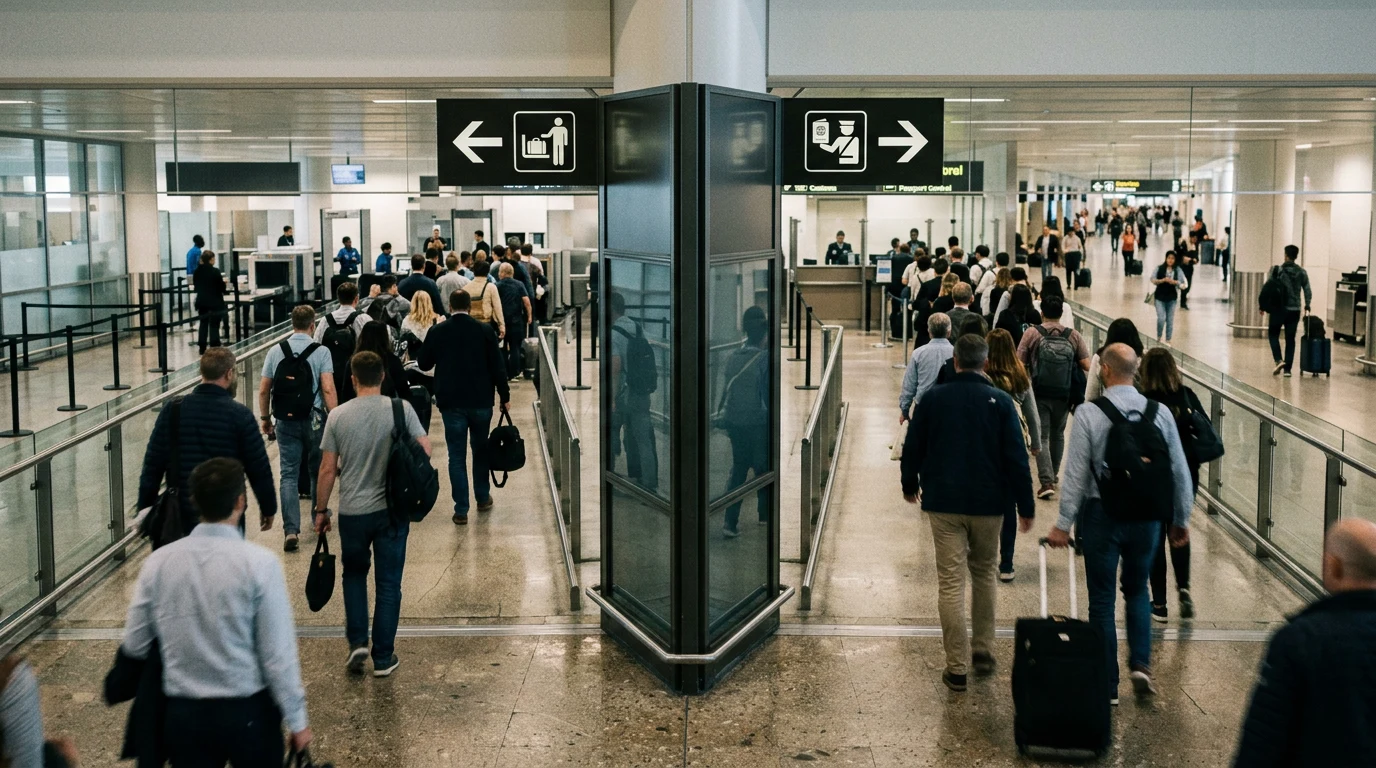
Global Entry costs $120 for five years and includes PreCheck; PreCheck alone runs $68.95 to $85 depending on the provider. Here is what each one actually covers, and how long each takes to get — fees checked August 2026.
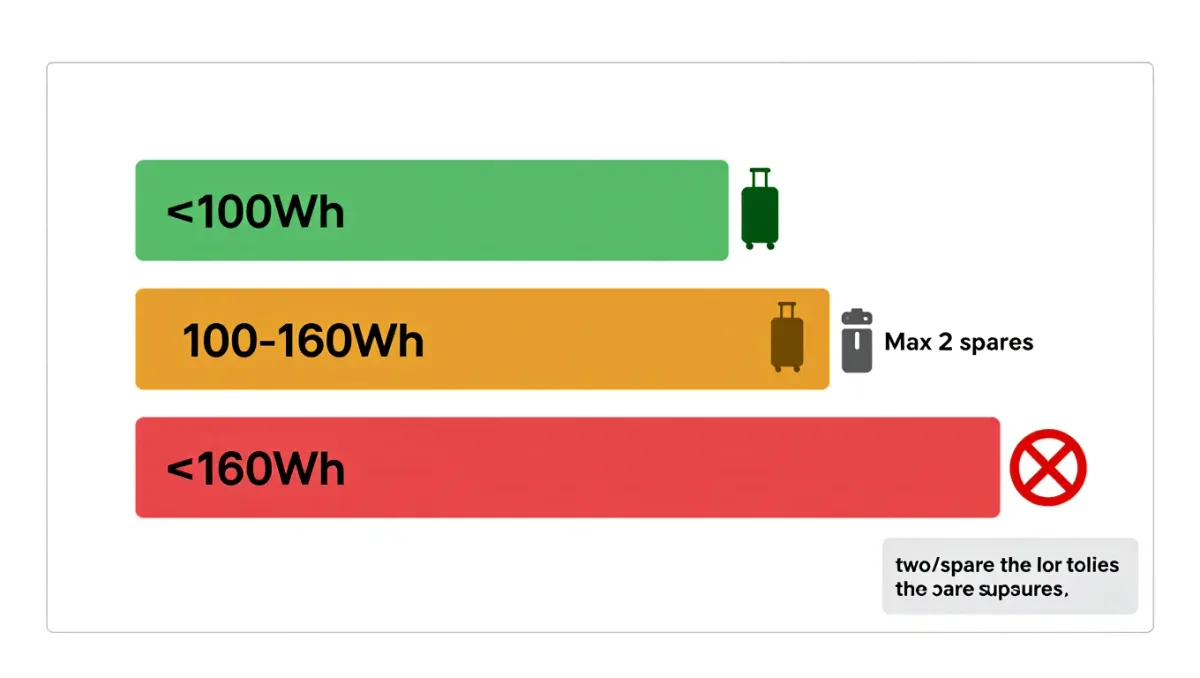
Spare lithium batteries and power banks fly in the cabin, never the hold: under 100 watt-hours need no approval, 101-160Wh need airline sign-off and are capped at two, and since 2025 a wave of carriers has also banned using power banks inflight.