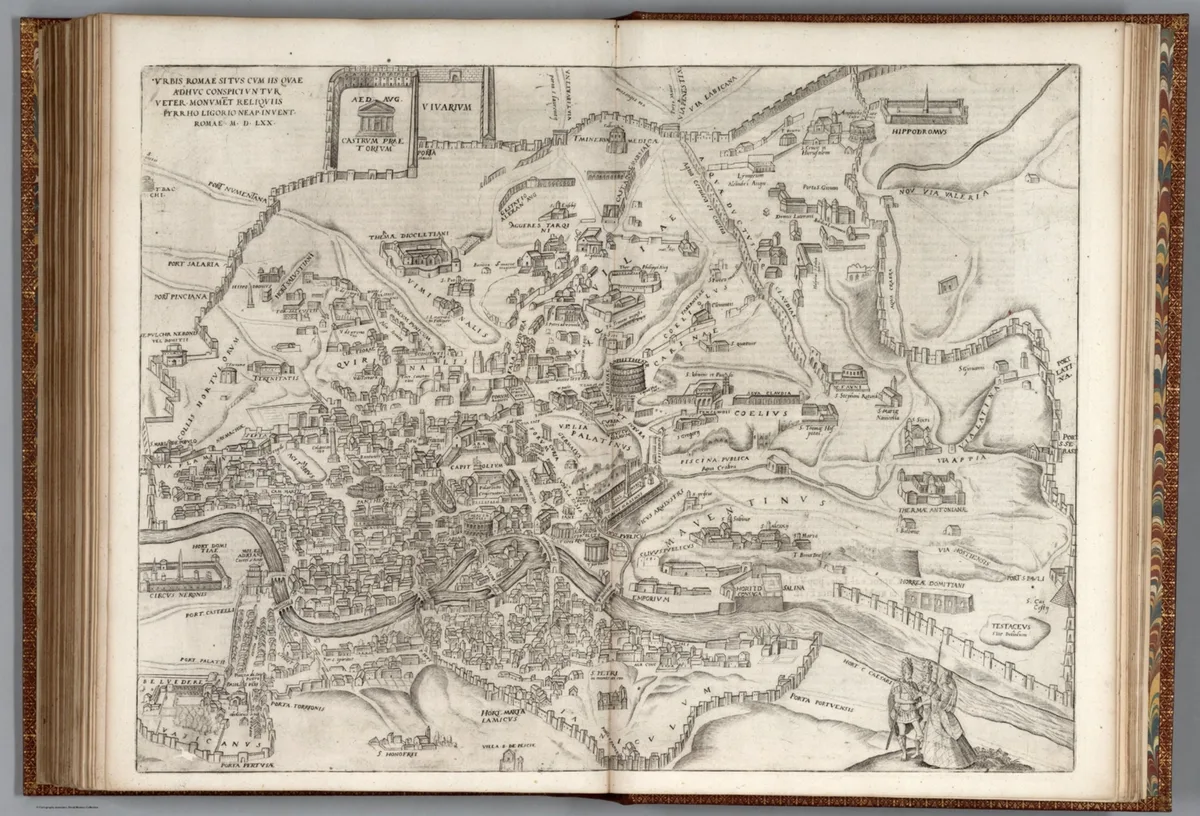
Rome rewards the traveler who books ahead and punishes the one who wings it. The Colosseum, the Vatican Museums, and the Pantheon all draw crowds that peak mid-morning, and the fix is the same for each: reserve a timed entry where it exists, go early or late where it doesn't, and spread the big sights across separate days instead of stacking them into one exhausting marathon.
This guide sequences the classics, points you toward quieter alternatives within walking distance of each, and lays out a day structure that holds up in high season. For more itineraries built the same way, our guides library covers the rest of the planning work, and destinations pages break down the neighborhoods. We covered a connected angle in Self-Transfer vs a Protected Connection: The Ticket Structure That Decides Who Rescues Your Trip.
How do you see the Colosseum without fighting the crowds?
Book a timed-entry ticket in advance rather than joining the walk-up line, which can stretch long in peak season. The arena's entry system splits visitors into slots, so a morning reservation moves you through faster than arriving and hoping. First slot of the day is the calmest; late afternoon is the second-best window. For related coverage, see Global Entry or TSA PreCheck? The 2026 Fees, the Coverage, and Who Should Pick Which.
Once you're done, don't rush off. The Palatine Hill and the Roman Forum sit next door on the same archaeological ground. The Forum is at its best in the last hour before closing, when tour groups thin out and the low sun does the ruins a favor. If the whole complex feels like too much in one hit, the Capitoline Museums, a short walk away, cover much of the same ancient story indoors, with air conditioning and far fewer people per gallery.
What's the smart way to handle the Vatican?
The Vatican Museums are the single biggest crowd magnet in the city, and the Sistine Chapel is the tightest bottleneck inside them. Two moves fix most of the problem. First, reserve entry ahead of time; the walk-up queue is the slowest route in. Second, pick an afternoon slot late in the opening window, when morning tour groups have already cycled through.
St. Peter's Basilica is a separate entry with its own line, and it's free to enter — the queue is the price. Go early morning or late evening and it moves quickly. Dress code applies: covered shoulders and knees. Our practical take: see the basilica and the museums on different days if your schedule allows. Both deserve fresh legs.
Where do you find quiet between the big sights?
Rome's center is dense with second-tier sights that most first-timers walk past on their way to the famous ones. A few that reliably deliver without the crush:
- The Pantheon — entry is quick and the building itself is the point. Go at opening rather than midday.
- Santa Maria in Trastevere and the Trastevere streets — cross the river for mosaics, dinner, and evening streets that feel local.
- The Basilica of San Clemente — a layered site near the Colosseum where you descend through centuries of construction. It rarely feels crowded.
- Villa Borghese and the Galleria Borghese — the gallery requires a reserved time slot, which keeps numbers low by design. Book well ahead; it's one of the city's strictest systems.
These fill the gaps between headline stops and give each day a slower middle. That rhythm — one big sight, one small one, one long lunch — is what keeps a Rome trip from collapsing by day three.
How should you structure each day?
Cluster by geography, not by fame. Rome's center is walkable, but distances add up, and a day that bounces from the Vatican to the Colosseum on foot burns hours in transit. A workable split:
- Day one — ancient Rome. Colosseum in the early slot, Forum and Palatine after, Capitoline Museums if energy remains.
- Day two — the Vatican side. Museums in an afternoon slot, St. Peter's either very early or afterward, then cross to Trastevere for dinner.
- Day three — the center. Pantheon, a church or two, Piazza Navona, the Spanish Steps area, and the Borghese gallery if you secured a slot.
Start each day with the sight that needs a reservation, and leave the walkable, unreserved stops for the afternoon. Siesta hours are real: some smaller sites and shops close mid-afternoon, so plan lunch for that stretch rather than a museum.
What should you book before you fly?
Three reservations decide whether your Rome trip runs smoothly: timed entry for the Colosseum complex, timed entry for the Vatican Museums, and a slot at the Galleria Borghese if it's on your list. Everything else can be arranged on the ground. Before you go, make sure your documents are in order — our passport renewal guide covers timing if yours is close to expiry, and it's worth reviewing visa requirements for Italy based on your nationality well before booking.
One more packing note: Rome in summer means long walking days in the heat, so build your days around early starts and long lunches rather than pushing through. Comfortable shoes matter more than any gadget on the packing list.
What this means for your trip
Rome doesn't require heroics — it requires sequencing. Reserve the three timed-entry sights, split them across separate days, and fill the gaps with the smaller churches, hills, and neighborhoods that give the city its texture. The classics are worth the effort; they're just far better without the 11 a.m. mob around you. Rules, prices, and opening systems change, so verify hours and reservation requirements on each site's official channel before you go. This is planning information, not a guarantee of entry on any given day.