Guides
Itineraries and destination guides carrying the details that decide whether a plan works: opening hours, admission costs, transport connections, walking distances and sensible daily limits. Guides are checked against current timetables before publication. For readers who want a plan they can follow instead of a list of highlights.
Itineraries that survive contact with a timetable.
One booking means the airline owns your connection; two separately bought tickets mean you do — and the no-show rule can cancel your return flight over a missed first leg that was never the airline's fault.
Report it before leaving the hall, keep the file reference, and know the clock: under the Montreal Convention an airline owes up to about 1,288 SDR (roughly $1,700) per passenger for checked bags, with written-claim deadlines measured in days.
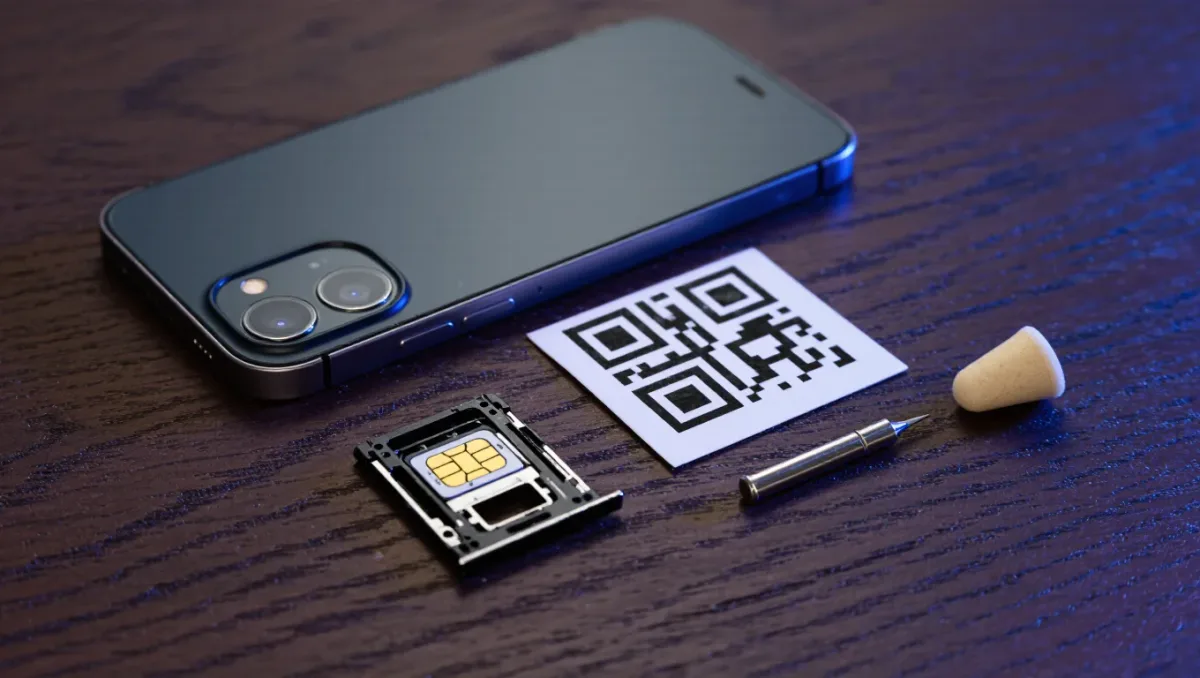
A travel eSIM on an unlocked phone is the default answer at $5-40 per trip; the two exceptions are carrier roaming packages on short trips and countries where you must install the VPN before you board.
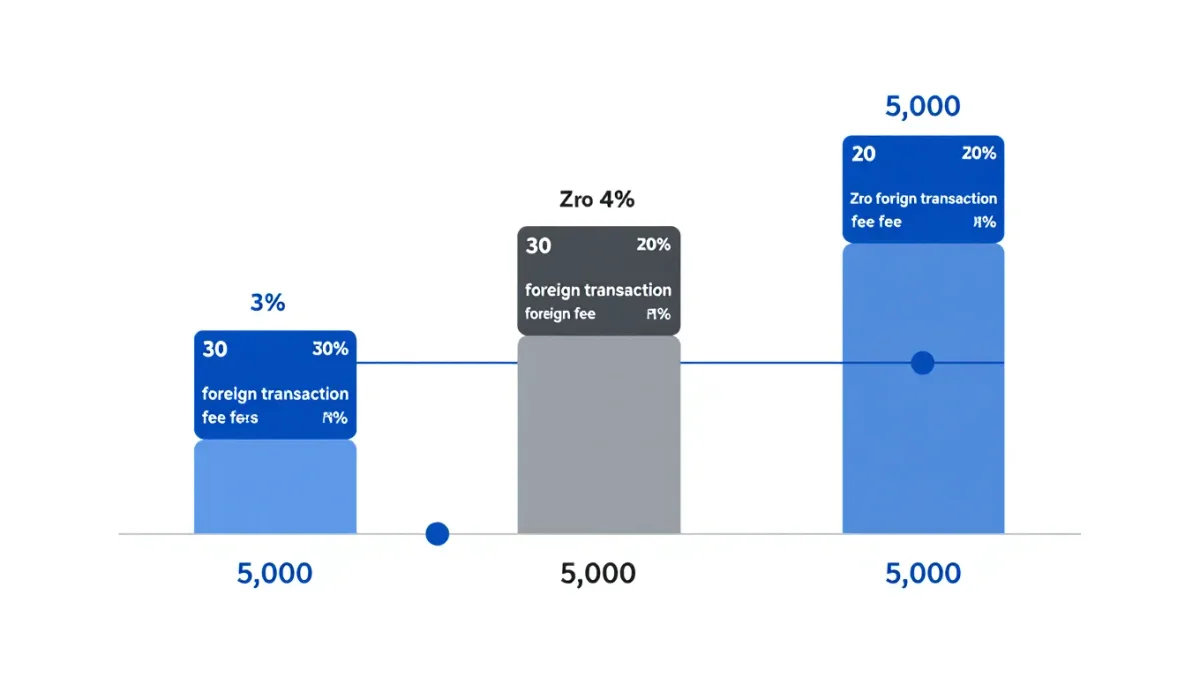
The no-foreign-transaction-fee feature saves about $150 on a typical $5,000 overseas trip versus a standard 3% card — and acceptance, rental-car coverage, and how you'll pay dynamic-currency conversion traps matter more than points.
Liquids rules exempt medication, insulin ice packs fly, and syringes are fine — the real risk is not security screening but the destination country's list of controlled substances, which bans drugs your pharmacy dispenses routinely.
Outside a handful of countries with reciprocal care, travel medicine runs on pay-first-claim-later — and the mechanics that matter are the guaranteed-payment call, the itemized receipt, and knowing who decides on an evacuation.