
Shoulder Season Travel: How to Find the Sweet-Spot Weeks That Deliver Peak Scenery at Off-Peak Prices
The weeks just before and after peak season can look the same and cost far less — here is how to find them, and where the trade-offs hide.
The arranging stage of travel: setting a workable budget, deciding what to reserve first, choosing insurance that covers the actual risk, vaccination lead times, documents and contingency days. Advice is organized as a countdown to departure. For travelers who want logistics settled before thinking about the itinerary.
Everything arranged before departure.
The weeks just before and after peak season can look the same and cost far less — here is how to find them, and where the trade-offs hide.

Yellow fever can be a hard entry rule. Most other travel vaccines are strong advice, not law — here's how to tell the difference before you pay for flights.
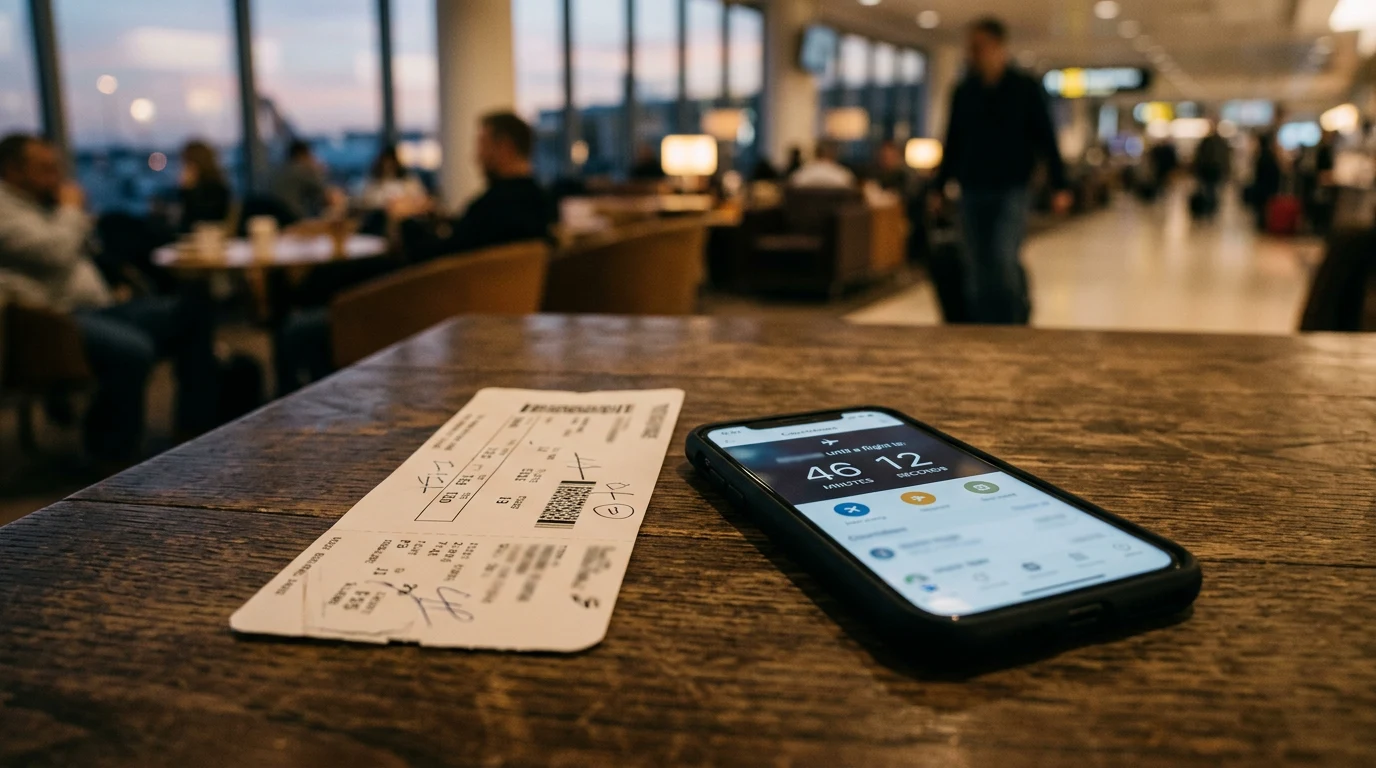
Federal rules give you a narrow window to cancel a US flight with no penalty. Here's exactly when it applies, when it doesn't, and how airlines handle it.

Match your dates to a destination's weather window — dry seasons for safaris, the June-November hurricane season's margins for the Caribbean, monsoon-off months for South Asia — and the same trip improves at the same price.

Collect deposits before booking anything, run the trip on refundable rates for the first month, and cap the planning vote at three decisions — the failure mode of group travel is not bad choices, it is no deadlines.

Shifting a Europe trip from July to May, or the Caribbean from February to November, routinely cuts airfare and hotel totals by 30 to 50 percent — with better weather in the shoulder months than most travelers expect.