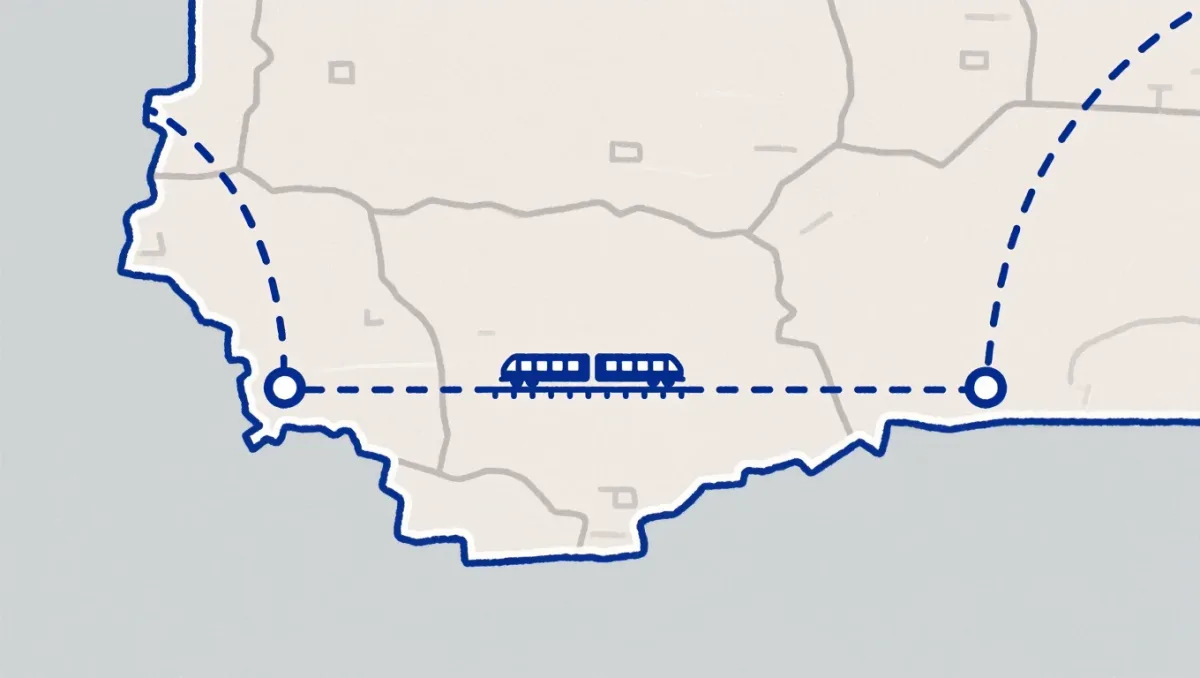
Book a two-city trip as an open-jaw ticket: into the first city, home from the second, with the middle covered by a train or a cheap intra-Europe hop. On transatlantic routes the multi-city fare usually prices within roughly $50 to $150 of the comparable simple round trip in recent fare data, as of 2025, and it eliminates the single worst day in multi-country travel — the backtrack to your arrival airport. The one rule: put every flight on the international ticket when protection matters, and buy the middle legs separately only when the saving is worth the risk.
This is information, not booking advice; fare rules vary by carrier and route, so price your exact itinerary both ways before paying.
What is an open-jaw ticket exactly?
Three shapes cover most trips. A pure open-jaw flies home from a different city than you arrived to — New York to Lisbon, then Barcelona to New York. A double open-jaw adds a different origin on the outbound — say, Washington to Lisbon and Barcelona back to Washington — useful when you have moved cities before the trip. A true multi-city or circle itinerary chains three or more long-haul segments — New York to Lisbon, Barcelona to Athens, Athens home — all on one ticket. Search tools price all three under a multi-city tab; the fare is built from the combination of two one-way international fares or published through-fares, and it carries full round-trip protections if any segment is missed.
How much does multi-city pricing actually add?
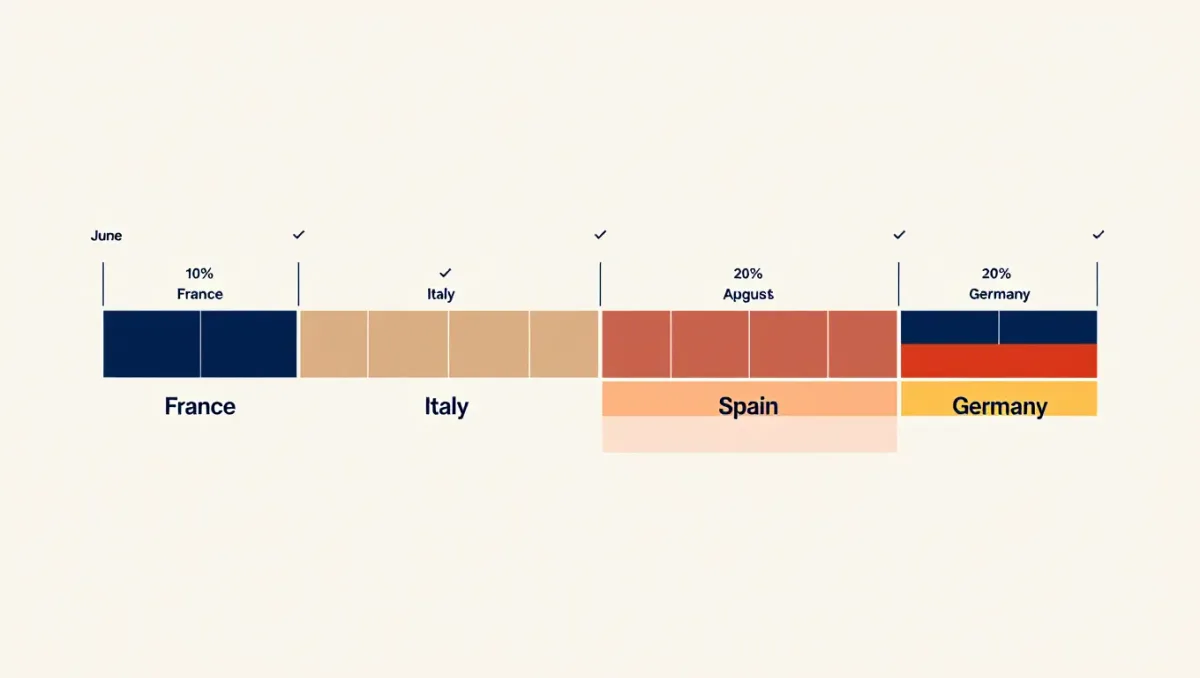
Less than most travelers fear, but never zero. Because US carriers price one-ways without a round-trip penalty, an open-jaw often decomposes into two one-way fares that sum close to a round trip; the premium varies with the cities and season, typically modest on transatlantic leisure routes but larger where one leg is in high season and the other is not. The honest comparison is three-way: the multi-city ticket, the simple round trip into one city, and the hacked version — round trip plus separately bought budget-carrier hops. Sometimes the hack wins by hundreds of dollars; sometimes the multi-city ticket wins once bag fees and the second booking's risk are priced in.
When should the middle legs be separate tickets?
Separate tickets win in specific cases: intra-European budget hops that sell for modest sums on carriers that do not interline with your transatlantic airline; open-jaw pairs where the low-cost fare is a fraction of the through price; and regions where rail beats flying outright. The trade is protection — on separate tickets, a delay on the first does not oblige the second carrier to rebook you. Budget buffer accordingly: allow at least three to four hours for a same-day separate-ticket connection, overnight where customs is involved, and remember the separate ticket means separate bag re-check. On one ticket, by contrast, a missed connection is the airline's problem to fix.
How do you plan the route itself?
Order matters more than the ticket type. Two practical rules: fly into the city whose prices or weather worsen later, so the expensive dates land where they hurt least; and put the slower, deeper visit first, since the end of a multi-city trip always compresses. Ground segments set the pace — a Lisbon-to-Barcelona rail or hop day consumes half a day to a day, so count it in the itinerary, not around it. For three-plus cities, sketch the loop before touching a search tool: the cheapest multi-city fare usually follows a clean geographic circle, while zigzag routes price badly and exhaust faster.
Do loyalty miles change the open-jaw math?
They often strengthen it. Most round-trip award pricing handles an open-jaw as one award — bookable for the price of a round trip, or two half awards on dynamic programs — so redeeming miles for the two international legs while paying cash for the middle hop is a common sweet spot. Watch two quirks: award space rarely opens for every leg of a three-city loop at once, so ticket the long-hauls first and stay flexible on the middle; and partner awards price by the operating carrier's rules, so the same route can price differently depending on whose miles you redeem. If the loop is fixed and the award space is thin, secure each international segment as it appears rather than waiting for the perfect single booking.
What mistakes should you avoid?
- Skipping the three-way price comparison — multi-city, round trip, and round trip plus separate hops.
- Booking the middle leg with a connection on a separate ticket — two connections, zero protection.
- Ignoring bag fees on budget carriers, which can erase a fare saving for anyone with a checked bag.
- Underestimating the backtrack day: a return train to your arrival city costs a day of the trip, which is the real price the open-jaw removes.
Fare relationships above reflect recent years' transatlantic pricing patterns reviewed as of early 2026; verify live multi-city quotes for your dates, because seasonal pricing shifts the arithmetic both ways.