The date printed on your visa is not always the date that decides your stay. At the border, the entry stamp — or the digital record replacing it — often starts a clock of its own, and that clock is the one officers enforce. The two dates can disagree, and when they do, the shorter one usually wins.
Knowing which document controls what keeps you clear of an overstay. Here is what the visa says, what the stamp does, and what to do when the stamp never comes.
This article is general information, not travel or legal advice for a specific trip.
What your visa actually promises
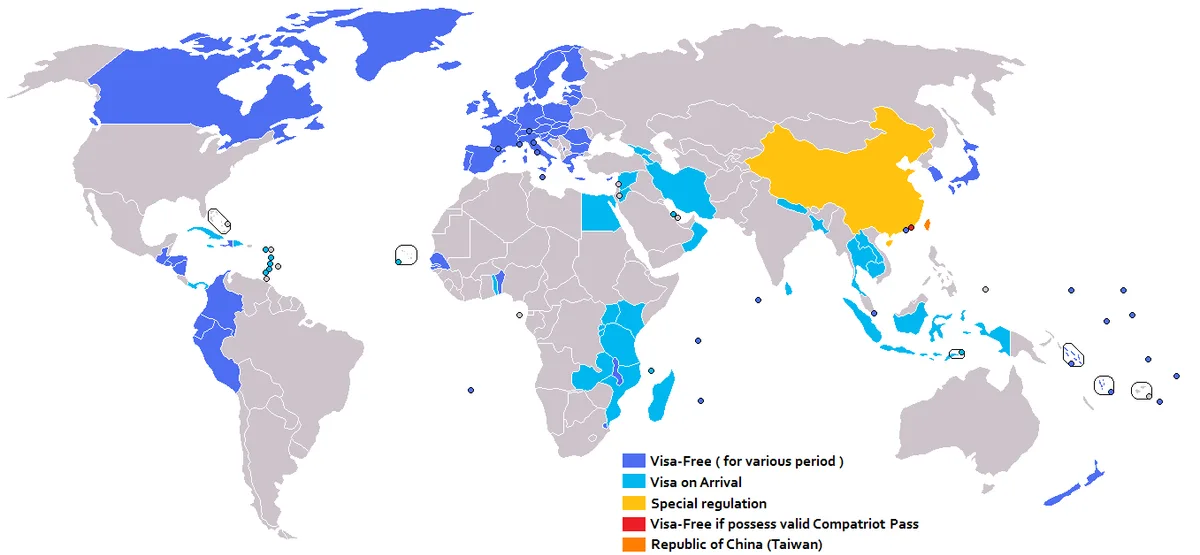
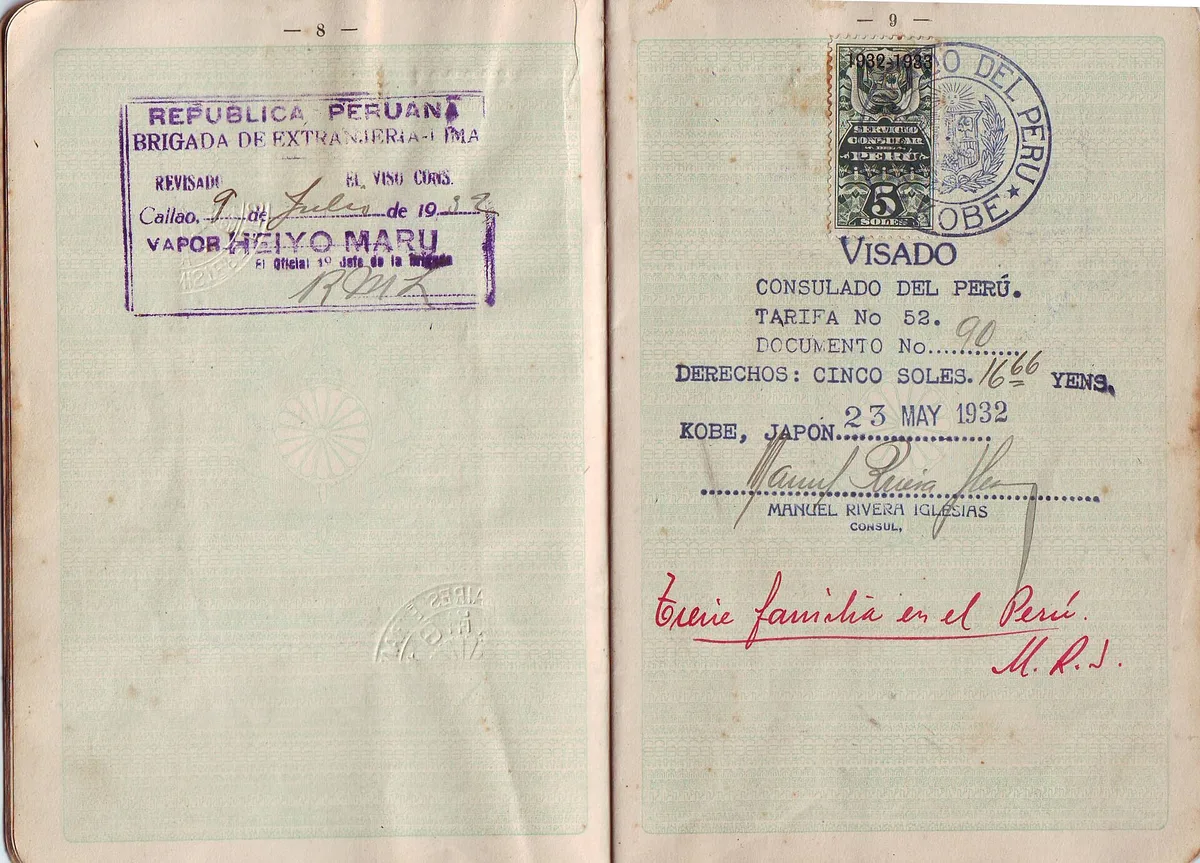
A visa is a conditional authorization to enter, remain within, or leave a territory. It typically carries limits: stay length, allowed areas, entry dates, number of visits, and work rights, per the Wikipedia travel visa overview. Modern evidence of it may be a sticker or stamp in the passport, an electronic record, or a separate document you print and produce on arrival.
Note the word conditional. A visa stays subject to border control at the moment of actual entry, so the printed validity is a ceiling, not an automatic entitlement.
What the entry stamp does at the border
A passport stamp is an inked impression made when you enter or exit a territory, according to the Wikipedia article on passport stamps. That small mark can carry real weight. In the United Kingdom, the immigration stamp includes the formal leave to enter granted on arrival. It can also activate the continuing leave already conferred by your entry clearance.
Schengen reads its stamps differently. Officers there apply a date stamp that shows no duration, per Wikipedia's passport stamp guide. It is taken to mean permission to remain for 90 days within a 180-day period, or the period shown on your visa, whichever is shorter, per the same guide. Read that twice. The stamp and the visa are separate inputs, and the shorter period controls.
When no stamp comes at all
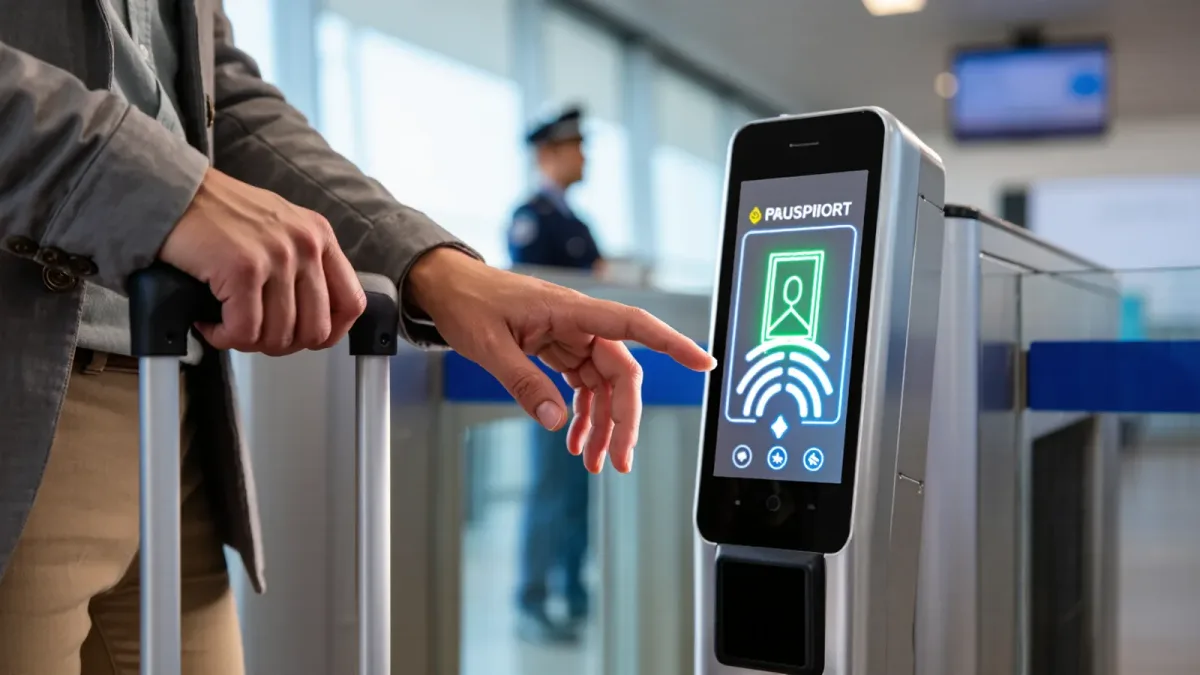
Increasingly, there is no ink to read. Argentina, Australia, Hong Kong, Israel, Singapore, and several other places do not stamp passports on entry or exit. Some issue landing slips instead. Argentina and Singapore send digital entry receipts with your conditions of entry by email. A number of countries issue entry stamps but no exit stamps. Canada, Ireland, Mexico, the United Kingdom, and the United States are among them. The arithmetic of your stay is on you.
Schengen has now removed the ink entirely. The European Union replaced passport stamps with its Entry/Exit System on 10 April 2026, per the European Commission announcement cited by Wikipedia. Electronic visas follow the same logic. Some countries record the authorization only in border security databases, with nothing in the booklet at all. We covered a connected angle in Real ID Is Now a Year Into Enforcement — What TSA Actually Does Without One.
Make the record work for you
Whatever system you pass through, leave the border with a date you can point to. Check the stamp before you walk away from the desk, because a wrong date is fixed on the spot and almost nowhere else. No stamp? Keep the landing slip, the email receipt, or the boarding passes, and save a copy of any electronic authorization. If your allowance runs from the day of entry, proof of day one is what shows you left on time. For related coverage, see TSA PreCheck vs. Global Entry vs. CLEAR: What Each One Actually Skips.
Conclusion: trust the stamp, verify the record
Your visa sets the ceiling, but the entry stamp or its digital replacement sets the stay. Read the mark or the receipt at the border, work out your last legal day from it, and treat the shorter period as the one that controls when documents disagree. Ten seconds at the counter is the cheapest overstay insurance there is.