The Milan Cortina Winter Olympics opened on February 6, 2026, and the travel picture is already clear: Milan Malpensa, the Games' main international gateway, has reported record arrival days in the run-up and opening week, per the airport's own Olympic information pages, while the US Mission in Italy has reduced services in Rome, Florence and Naples from February 6 through March 15, 2026. If you are flying to Italy this month for the Games or just to travel, the practical answer is to land at Malpensa for the city venues, use Venice Marco Polo or Verona for the mountain venues, and finish long legs by train.
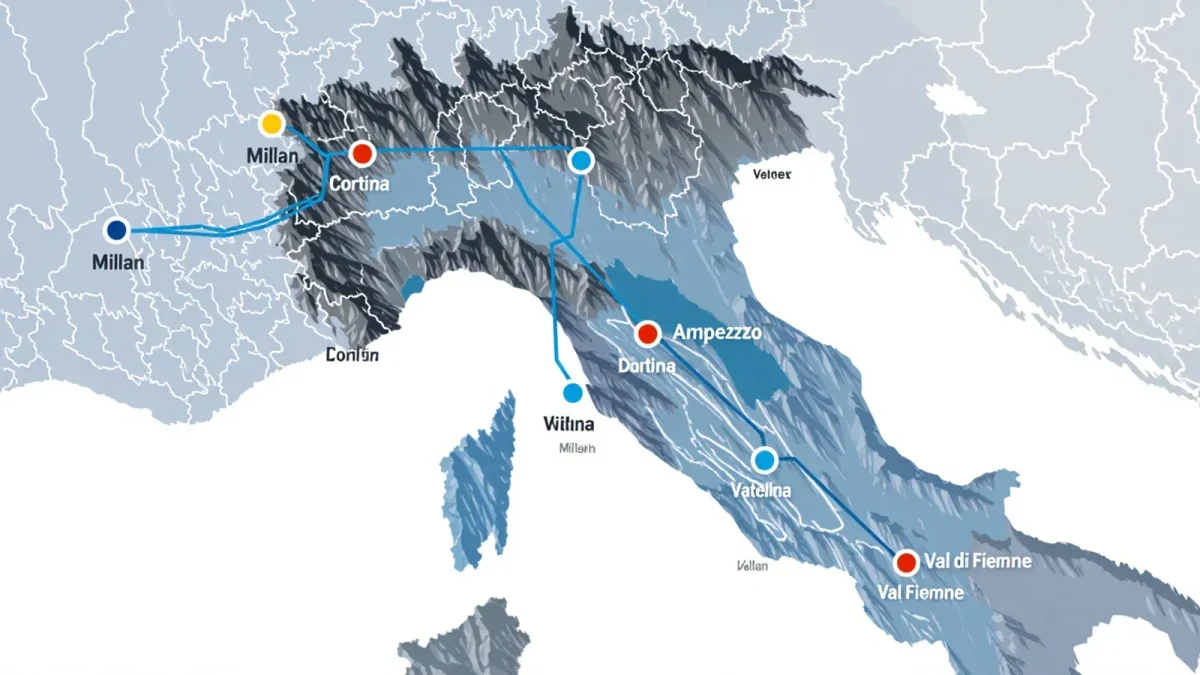
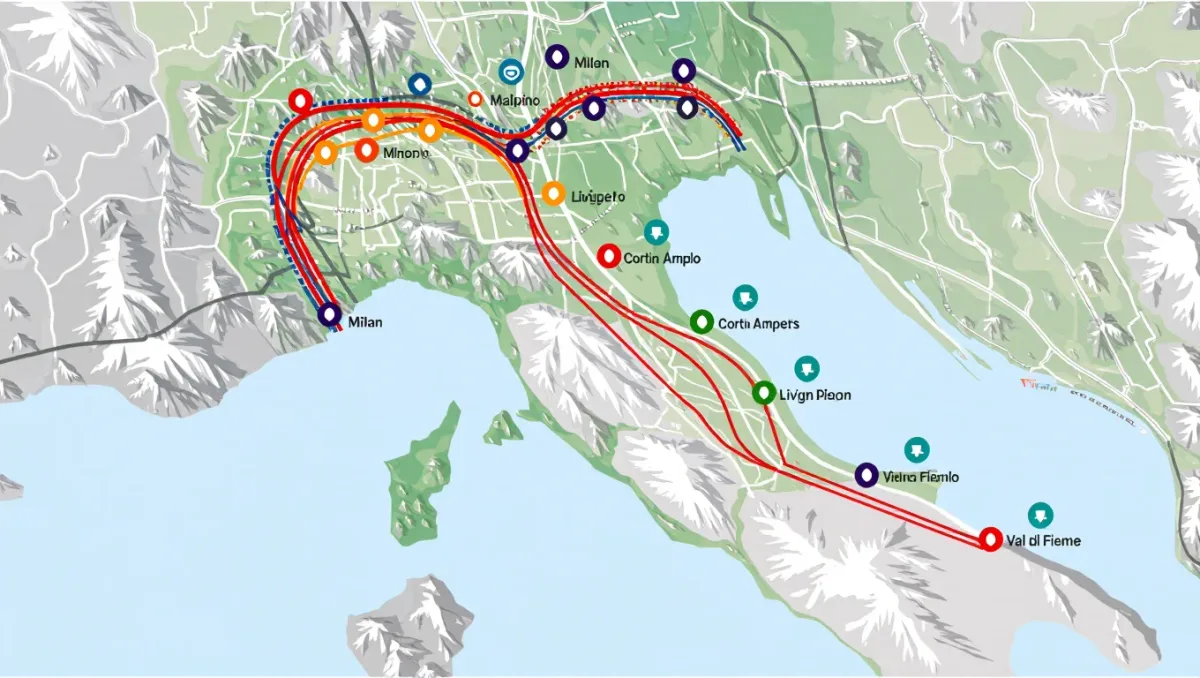
These Games are the most geographically spread in Winter Olympic history — events stretch from Milan to Cortina d'Ampezzo, Valtellina and Val di Fiemme, per the US Olympic & Paralympic Committee's travel guidance. That spread, not the airport itself, is what strains roads and schedules: mountain transfers that take two hours in July can take far longer with event traffic.
Which airport should you fly into for the Milan Cortina Games?
Malpensa handles most long-haul arrivals and has a dedicated Olympic assistance section, per the airport. Venice Marco Polo and Verona Villafranca are the smarter entries for Cortina and the eastern venues — Verona puts you roughly a rail-and-road transfer away from the Dolomite sites without crossing Milan. Milan Linate serves intra-Europe traffic close to the city. Fare data in early February showed the usual Olympic premium on nonstops into Malpensa, so pricing both Milan and Venice before booking is the single biggest saving lever.
How do you get from the airport to the venues?
Trains plus dedicated shuttles, per Olympics.com's official spectator guidance — for example, rail to Tirano station, then an official shuttle to Livigno. Rental cars are the weak option during the Games: parking at mountain venues is restricted and road congestion is at its worst exactly when you arrive. Build a buffer of at least half a day between landing and any ticketed event.
What changed at the US Embassy during the Olympics?
Per the US Mission to Italy's security alert, consular services in Rome, Florence and Naples are reduced from February 6 to March 15, 2026, during the Olympic and Paralympic period, and Italy remains at Level 2 (Exercise Increased Caution) on the State Department's advisory scale. Travelers who need passport services in Italy this month should book the earliest available appointment and expect limited slots; emergency assistance remains available.
Will prices normalize after February 22?
History says yes, quickly. Fares and hotel rates in northern Italy typically fall back toward seasonal norms within one to two weeks after a mega-event closes, so shifting a northern Italy trip to early March captures the same mountains without the Olympic premium. Verify current schedules and advisory status with official sources before booking — this is information, not travel advice.