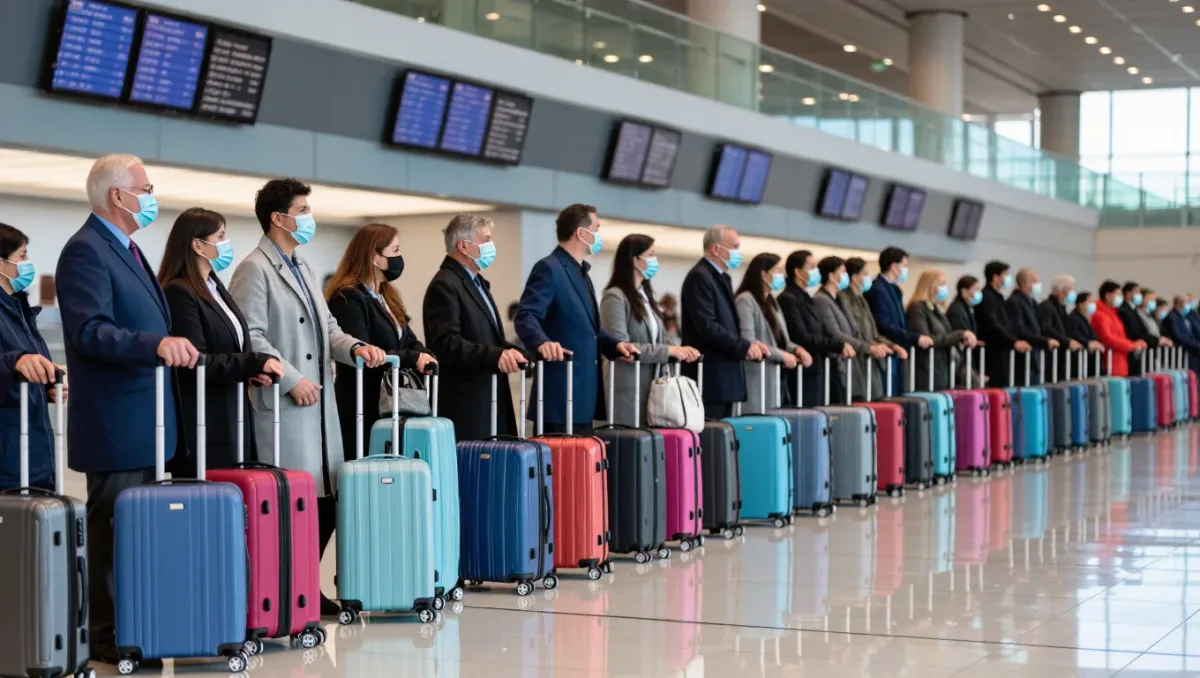
The US entry restrictions many travelers call the travel ban doubled in scope on January 1, 2026: per a presidential proclamation signed in December 2025 and a Congressional Research Service summary, full entry suspensions now cover nationals of countries including Afghanistan, Burkina Faso, Burma, Chad, the Republic of the Congo, Laos and Mali, with partial restrictions on additional countries — up from 19 countries before. If you or a travel companion hold a passport from any country on the expanded list, verify visa eligibility with the official proclamation before booking anything nonrefundable.
This article publishes information, not legal or immigration advice. Entry rules in this area change by proclamation and by court challenge, so treat everything here as a planning snapshot dated January 17, 2026, and confirm your individual case with the State Department or an immigration attorney.
Which countries are fully restricted under the expanded travel ban?
Per the Congressional Research Service's summary (IN12631), entries of both immigrants and nonimmigrants from the fully restricted list are "fully suspended." The list per the proclamation includes Afghanistan, Burkina Faso, Burma, Chad, the Republic of the Congo, Laos and Mali — Laos moving from partial to full suspension — alongside other countries named in the December 2025 document. A second tier of countries faces partial restrictions, typically limited to certain visa categories such as immigrant visas and B-series visitor visas.
Who is exempt from the restrictions?
The proclamation carves out several groups, and they matter for families booking together. Per the CRS summary, the restrictions generally do not apply to lawful permanent residents, dual nationals traveling on a non-restricted passport, existing visa holders in covered categories, athletes traveling for major sporting events, and case-by-case waivers granted by the State Department. If a traveler on a restricted passport also holds, say, a UK or Canadian passport, the restriction should not block entry on the second nationality — but carry both documents and expect questions at check-in.
How does this change trip planning right now?
Three practical moves. First, before booking, check the traveler's nationality against the proclamation text on whitehouse.gov — not a news summary — because the partial-restriction tier depends on visa class. Second, if a visa appointment is required, build in extra time: consulates in affected regions are handling re-screening demand, and appointment backlogs were already measured in months in early 2026 per State Department wait-time data. Third, book refundable rates or fares for any traveler whose status is uncertain; the proclamation took effect at 12:01 a.m. EST on January 1, 2026, so tickets bought before that date for future travel still face the new rules at entry.
Could the list change again?
Yes, and that is the planning takeaway. The framework builds on Executive Order 14161 from January 2025 and is designed for country-by-country review, per the CRS analysis, so expect additions or removals as reviews conclude. Set a calendar reminder to re-check the State Department's visa pages before each new booking involving a restricted or partially restricted nationality.