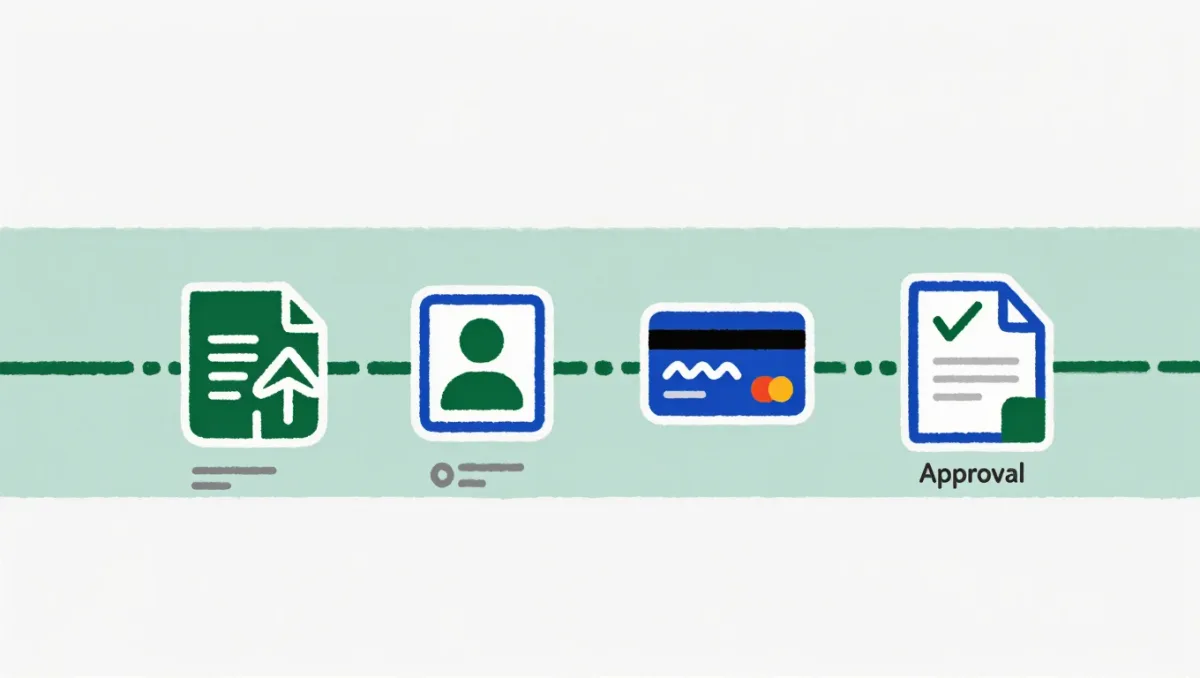
US citizens need a visa for Vietnam, and the standard tool is the 90-day e-visa: applied for online at the government's official portal, $25 for single entry or $50 for multiple entry, with published processing of about three working days, excluding public holidays, per the e-visa program's current terms as of mid-2026. Since Vietnam expanded the scheme in August 2023, the e-visa is available to all nationalities, runs a full 90 days rather than the old 30, and is accepted at every international airport plus land and sea borders — which is what makes the overland loop through Cambodia or Laos practical on one document.
Rules change — verify at the official portal before applying. This is information, not immigration advice.
Which e-visa option should you pick?
Two decisions, not one. First, duration and entries: the 90-day single-entry visa at $25 covers a one-shot trip; the multiple-entry version at $50 is for itineraries that leave and return — the classic being Vietnam with a Cambodia side trip, or travelers basing in Ho Chi Minh City while crossing into the Mekong region. Second, the start date: the application asks for intended entry, and the visa is issued for a validity window around it, so apply with real dates or shortly after booking flights rather than guessing months ahead. The e-visa is not extendable in country — a 90-day stay that becomes 100 means an exit and a fresh application.
How does the application work?
One form at the official site: passport data page upload, a portrait photo meeting the spec, itinerary basics, and card payment. The grant arrives as a PDF to print; Vietnam runs on the printed document at immigration, though the e-visa registry is electronic throughout. Apply five to ten working days before travel to absorb holidays — Vietnamese public holidays pause processing entirely, and Tet in late January-February can stretch a routine application into a multi-week affair. The portal rejects photo uploads for spec violations more often than any other single error, and a rejected file restarts that step, not the whole application.
Where can you enter on an e-visa?
Everywhere international. All major airports — Hanoi, Ho Chi Minh City, Da Nang, and the rest — plus international land borders on the Cambodian, Lao, and Chinese frontiers and the main seaports. The land-border acceptance distinguishes Vietnam's e-visa from neighbors' schemes that are airport-only, and it underwrites the most popular regional route: flying into Ho Chi Minh City, crossing overland to Phnom Penh, and returning — the $50 multiple-entry version built exactly for that shape. Entry at land borders runs slower than airport SmartGates-style lanes; build an hour or two of daylight buffer into any overland crossing day.
What else does the trip need?
- Passport valid at least six months beyond entry, with a blank page.
- Printed e-visa PDF, matched exactly to the passport presented.
- Proof of onward travel, occasionally requested at check-in.
- Cash for visas-on-arrival nowhere — Vietnam has no visa on arrival for tourists who arrive without prior approval; do not confuse the old visa-on-arrangement-letters system with the current e-visa requirement.
How should a 90-day Vietnam itinerary be shaped?
The long validity changes what a trip can be. A single-entry, 90-day plan can run the whole spine — Hanoi and Ha Long, Hue and Hoi An, Da Lat, the Mekong Delta — at overland pace instead of a four-flight sprint, and domestic air within Vietnam is cheap enough that rail or road choices can be about scenery rather than savings. Coast seasonality splits the country: the center beaches around Da Nang and Hoi An are driest roughly February to August, while the north and south see their driest months in the November-April window, so the same 90 days can meet rain in one region and shine in another. Plan the direction to follow the weather — north-to-south in autumn, south-to-north in spring — rather than treating the country as one climate.
What happens if plans change after approval?
The e-visa is fixed to the passport and the approved window, so two situations need attention. Dates shifting within the validity need nothing; dates shifting outside it require a new application, since there is no amendment process. A passport renewal after approval invalidates the grant entirely — the document number is the key. And an overstay, even of days, accrues fines at rates set by immigration and complicates later visits, so the honest rule is to exit before the 90th day and apply fresh from outside, a straightforward process at a consulate in a neighboring capital.
Fee and processing figures above checked as of May 2026 against the official portal's published schedule; the government site is the only channel — lookalike agencies charge several times the fee to forward the same form, and some produce nothing at all.