Security screening is the easy half of flying with medication. TSA exempts prescription and over-the-counter liquid medication from the 3-1-1 liquids limit in reasonable quantities, permits frozen gel packs for cold-chain drugs like insulin even when partly melted, and allows syringes and EpiPens when paired with their medication — declare liquids and request visual or hand inspection rather than X-raying if you prefer. The harder half is customs: several popular destinations treat everyday Western medications as controlled substances, and that list, not the checkpoint, is where trips actually end.
Rules cited follow TSA and State Department guidance as of early 2026; screening practice varies by officer and by country — verify your specific medication before you fly.
What are the TSA rules that matter?
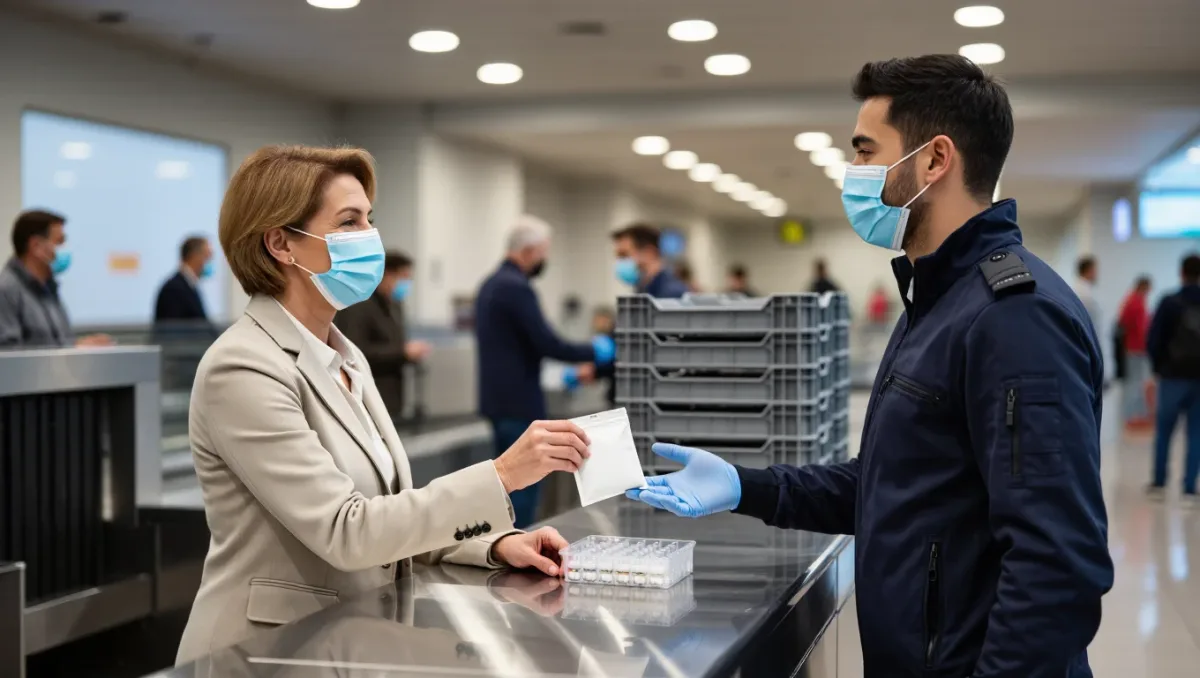
- Liquid medication: exempt from the 100-ml limit in reasonable trip quantities; declare at the checkpoint and, if you prefer, request hand inspection instead of X-ray — this applies to infant formula, breast milk, and medical liquids alike.
- Pills and capsules: no labeling requirement at screening, but original containers with the pharmacy label resolve questions fastest, especially for controlled substances.
- Cold-chain medication: gel or ice packs for medical use are allowed even when partially melted — a specific exemption — and FridaPod-style breast-milk cooling parallels apply on international carriers only by their own rules, so check the airline.
- Injectables: syringes, auto-injectors, and pen needles are permitted with the associated medication; cabin crew can assist with sharps disposal, and most airlines accept a small personal sharps container.
- Screening choice: you can always request that medication be visually inspected rather than sent through imaging; say so before it enters the X-ray bin.
Where do destination-country rules bite?
The recurring traps are specific and worth naming. Codeine, routine in Western pharmacies, is banned or tightly controlled in countries including the UAE and several Gulf states. ADHD stimulants such as amphetamine-based medications are effectively prohibited in Japan without a special pre-approval process that takes weeks. Pseudoephedrine-containing decongestants face restrictions in parts of Asia. None of this shows up at security — it shows up at customs in the arrivals hall, where penalties for undeclared controlled substances range from confiscation to arrest. The checks that matter: your embassy or the destination's health ministry page for your drug's generic name; the quantity limit, usually tied to a personal-use supply around 30 to 90 days; and where required — Japan, the UAE, and others — a permit or physician letter obtained before departure.
What should be in the medication travel kit?
- Original labeled containers, or a pharmacy printout listing generic names, doses, and the prescribing physician.
- A doctor's letter for controlled or injectable medication — one page, dated within the year, on letterhead.
- All medication in carry-on luggage, never in checked bags: lost luggage happens precisely to people whose insulin is in the hold.
- A supply buffer of several extra days for delays, plus a note of the generic names so a foreign pharmacy can substitute if needed.
- For temperature-sensitive drugs, an insulated pouch and a plan for hotel refrigeration questions — a 30-day supply is the customs rule of thumb in many countries, but the personal-use principle, not the number, is what officers apply.
How do long trips and time zones change the plan?
A two-hour time difference is a scheduling note; a ten-hour shift with insulin or a twice-daily drug is a clinical question — the schedule change itself belongs to your prescriber, and the travel preparation belongs to you: the written current regimen to carry, the destination's pharmacy availability of your generic, and the time-zone-shift plan agreed before departure. Long trips also change the customs math: stays beyond the typical 90-day personal-use window need either a local prescription once there — many countries accept a foreign doctor's letter for a local fill — or a documented resupply plan. Frequent flyers should keep one sealed, trip-ready duplicate of the kit: letter, printout, insulated pouch, buffer supply. The repeat question at checkpoints is always the same, and having the same clean answer every time is the quietest way through.
Do airlines have their own medication rules?
Mostly no — carriers regulate safety, and medication is a medical matter, so airline pages say little beyond oxygen and sharps. The two airline-adjacent rules worth knowing: refrigeration is not guaranteed onboard, so cold-chain medication travels in your own insulated container; and needles may require crew notification on some carriers, a cabin-crew courtesy rule rather than a security one. What airlines do influence is the checked-bag risk: every carrier's contract of carriage makes medication one of the items they discourage from checked luggage, which is the industry's way of agreeing with the carry-on rule.
Screening rules per TSA guidance and country restrictions per State Department and destination authority pages as of early 2026 — drug classifications change, so verify every active ingredient for your destination before booking.