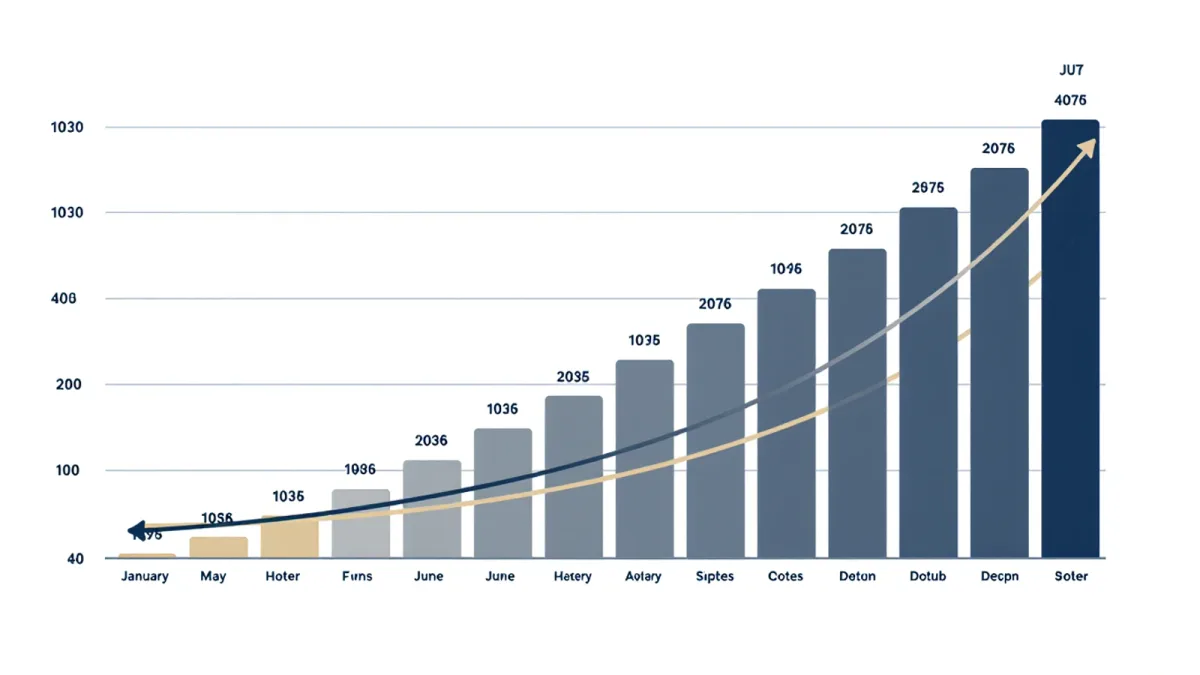
Shoulder season — the weeks on either side of a destination's peak — routinely prices 30 to 50 percent below peak on both airfare and lodging, per seasonal price patterns visible in airline and hotel data as of 2025, and it often delivers nearly the same weather. For Europe, that means May-June and September-October instead of July-August; for the Caribbean, November-early December and late April-May instead of the December-April high season. The saving is structural: schools set peak demand, and everything — flights, rooms, tours — repriced around that calendar.
This is information, not booking advice; check actual prices for your dates, because events can turn a shoulder month into a peak one.
Why is the price gap so large?
Airlines and hotels price to fill capacity, and their costs barely move between seasons while demand doubles. A transatlantic flight costs nearly the same to operate in May as in July, but July demand from school holidays lets carriers file fares two or three times higher. Hotels behave identically — the same room, the same breakfast, a different rate calendar. That gap is the traveler's opportunity: the shoulder weeks offer the identical product at the discount the peak season hides. Nothing about the destination changed; only the crowd did.
How big is the saving in practice?
Typical transatlantic economy fares run roughly $1,000 to $1,300 round trip in July versus $550 to $800 in May or October in recent years' data; European city hotels that command $300 a night in August commonly fall to $150 to $200 in the shoulder. On a one-week trip for two, that shift can save $1,500 or more — frequently the entire cost of a third traveler. Mediterranean beach destinations show the same curve at the edges: late June and early September price far below mid-July, with sea temperatures nearly identical. The pattern repeats worldwide: Japan's late May and late October beat cherry-blossom and foliage peaks; Southeast Asia's shoulder months trade small rain risk for large discounts.
What are the trade-offs?
Honest accounting includes three. Weather risk: shoulder months sit closer to the rainy or cool season, so pack for one variable week in two. Hours: northern destinations lose evening daylight fast after September — Iceland in October has half the usable day of June. Operations: some seasonal hotels, ferries, and mountain huts close in the off months, and rural transport thins. None of these usually overturns the economics, but they change packing and planning, so know them before booking rather than discovering them on arrival.
When does shoulder season fail?
Watch for event calendars, which can turn a quiet month expensive: Oktoberfest prices Munich hotels far above its summer rates, major marathons and conferences fill otherwise soft cities, and national holidays — Golden Week in Japan, Carnival in Brazil, Lunar New Year across East Asia — create their own fare spikes regardless of the season. School calendars work the other way too: travelers locked to July and August cannot escape peak, and for them the better lever is midweek departures and booking at the early edge of the window rather than date-shifting.
What about lodging alternatives in the shoulder months?
Shoulder season changes the lodging market, not just its prices. Short-term rental hosts who held firm rates all summer discount first as bookings thin, city hotels quietly open their best-rate room categories, and points redemptions at fixed-award hotels become possible again after peak dates sell out their award inventory. Booking direct can add value too: many chains reserve perks such as free breakfast or a flexible cancellation tier for their own channels, and flexible rates in the shoulder months often sit close enough to prepaid rates that paying a little more for the right to change plans is the better trade. Compare three numbers per property — the prepaid rate, the flexible rate, and the award rate — rather than assuming any one channel always wins.
How to plan around the seasons
- Pull a full-month price calendar for flights and for hotels; the seasonal curve will be visible in seconds.
- Target the weeks adjacent to peak: the last week before school holidays and the first after usually price 30 percent or more below the core.
- Check the destination event calendar for your candidate weeks before assuming the low price is real — festivals, sports finals, and conventions all reset the curve.
- For beach trips, compare sea-temperature and rainfall normals, not air temperature alone — the shoulder ocean is often warm enough.
Price ranges above reflect recent years' seasonal fare and rate patterns reviewed as of mid-2026; specific quotes vary by route and booking timing, so verify live prices before committing. And book the shoulder trip early: as more travelers learn the pattern, the best-priced shoulder inventory — both fares and rooms — thins earlier each year.