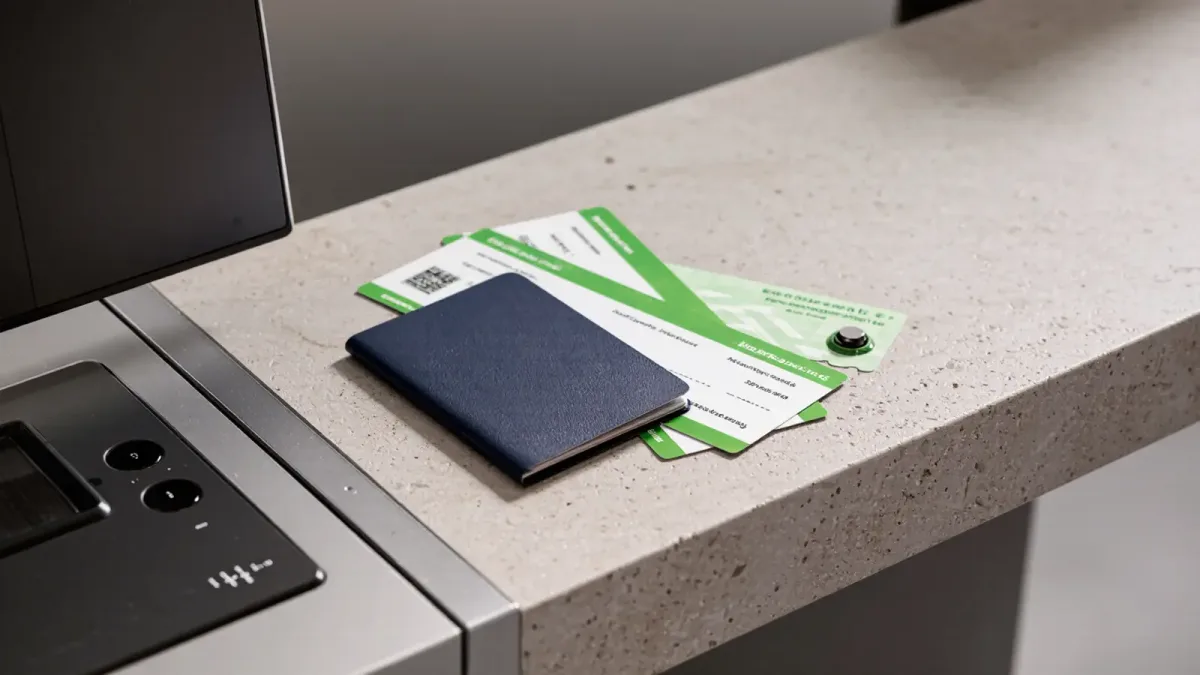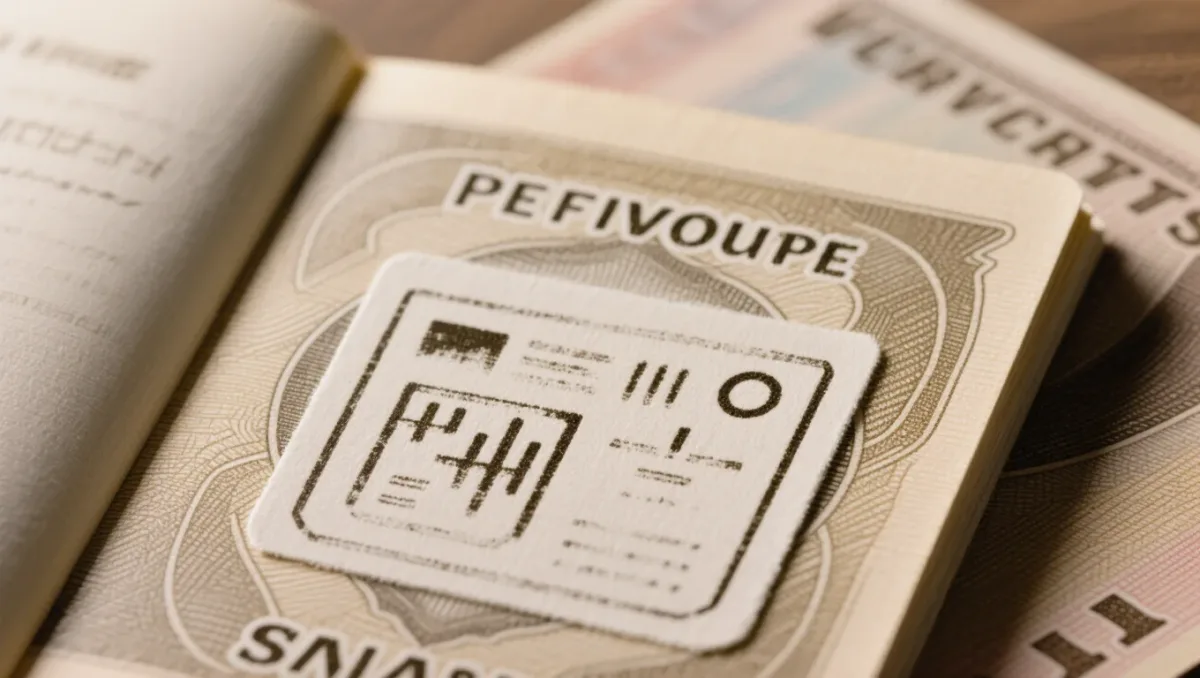
The "entries" field on a visa — 01, 02, or M — is a count of border crossings into the issuing country, and it is spent by each entry regardless of how long you stayed before. A single-entry visa ends the moment you exit, even if the sticker's validity dates have months left; a double-entry visa survives exactly one exit-and-return; a multiple-entry (M) visa allows unlimited crossings until expiry. The most expensive misunderstanding in visa planning is assuming "valid until November" means "re-enterable until November."
This is information, not legal or immigration advice. Entry policies are set per country and change — read the entries line on your own visa sticker and confirm the rules with the issuing authority before booking side trips.
What is the difference between validity, entries, and duration of stay?
Three separate limits live on every visa sticker. Validity ("enter before") is the window during which you may cross the border at all. Entries is how many crossings that window allows. Duration of stay ("duration") is the maximum days per entry. Example: a visa valid for one year, multiple entries, 30 days per stay lets you cross as often as you like for a year, staying up to 30 days each time — but never 31, and never after the validity expires. A visa valid six months, double entry, 90 days per stay allows two trips of up to 90 days in that half-year; a third crossing is refused at the border, and airlines checking the sticker at the third departure will refuse boarding first.
When does a double-entry visa bite?
The classic trap is the regional side trip. Consider a traveler with a double-entry visa based in one country who crosses a land border for a weekend in a neighboring state, then returns: that return consumed the second entry. A later flight routing through yet another country and back — or even a day trip across a land border — now requires a fresh visa, and some consulates are a plane ride away. The same trap fires on multi-city itineraries: fly into a country, hop to a nearby island nation, fly back for the international departure home — three entries, double-entry visa. Before any itinerary that leaves and re-enters, count crossings, including land borders and ferry routes.
What do common visas issue?
| Visa | Typical entries for visitors | Note |
|---|---|---|
| US B1/B2 | Multiple, often 10-year validity | Validity follows the reciprocity schedule by nationality; entries do not grant stay length |
| India e-Tourist | Multiple for most 1-year tourist e-visas; 30-day version is double entry | The 30-day e-visa's two entries are the recurring surprise |
| China L (tourist) | Single, double, or multiple per issuance | Issued entries depend on profile and history |
| Schengen type C | Single, double, or multiple per issuance | Multiple-entry cascade rewards clean use over time |
| UK Standard Visitor | Multiple (6-month validity standard) | Long-validity versions for frequent visitors |
One nuance worth internalizing: on multiple-entry visas, the entry itself is not the permission to stay — each admission comes with its own granted period, stamped or electronic, and overstay rules apply per entry.
Can a spent entry be restored or extended?
Almost never. Entries are fixed at issuance; extensions granted in-country change your stay duration, not your entry count, and a new crossing still needs a new visa once entries are used. The two practical exceptions are narrow: some countries let you apply for a fresh visa while abroad only, and a handful allow same-day re-entry under regional cross-border schemes for residents. Assume a spent double-entry cannot be topped up — plan itineraries around it instead.
What happens at the border when entries run out?
The refusal happens twice if you are unlucky. First at check-in: airline document systems read the entries field, and a departure agent spotting an itinerary that exceeds remaining entries will deny boarding — usually without refund on basic fares. If the airline misses it, the land border or immigration officer refuses the crossing, and on a land border that means turning around with no rebooking, no hotel, and no compensation. Officers also retain discretion to annul a visa on the spot for misuse, which is why transparent itineraries matter: a spent visa presented hopefully reads as carelessness once, and as intent twice. Keep a screenshot or photocopy of the visa sticker when applying for the next one, because consulates will ask how previous entries were used.
How do you choose which to apply for?
Price the whole trip, not the leg. A double-entry visa is usually only modestly cheaper than a multiple-entry one, so if there is any chance of a side trip — and regional travel is exactly what makes a long trip worthwhile — the multiple-entry option wins on expected cost. For one-shot trips with no exits planned, a single entry is genuinely cheaper, provided your flights do not transit through a point that forces an exit-and-reentry pattern. And when a consulate asks you to justify entries requested, a documented multi-city itinerary with the crossings listed is the strongest support you can file.
Entries policies checked against issuing-authority guidance as of early 2026; entry counts and validity terms are reciprocity-driven and change — verify against your own visa sticker and the issuing country's official page.