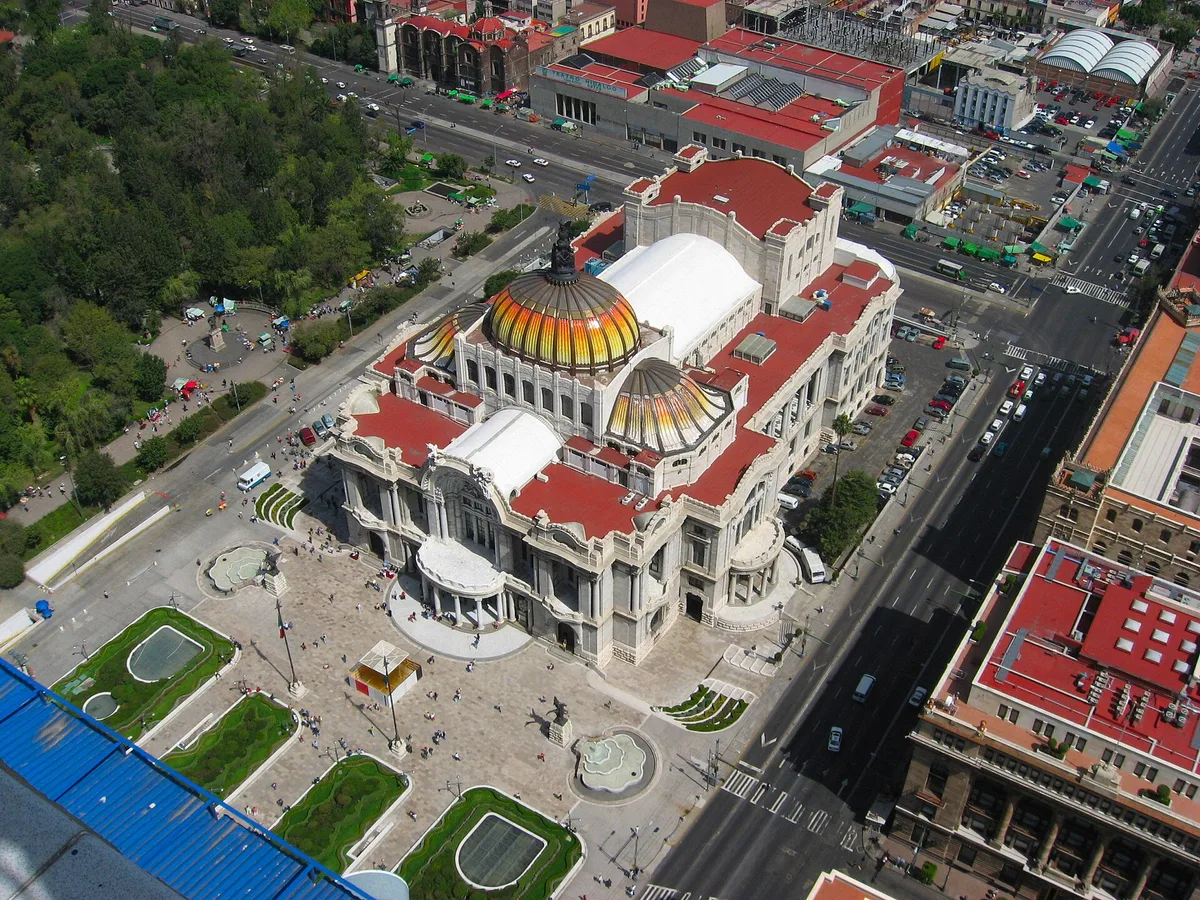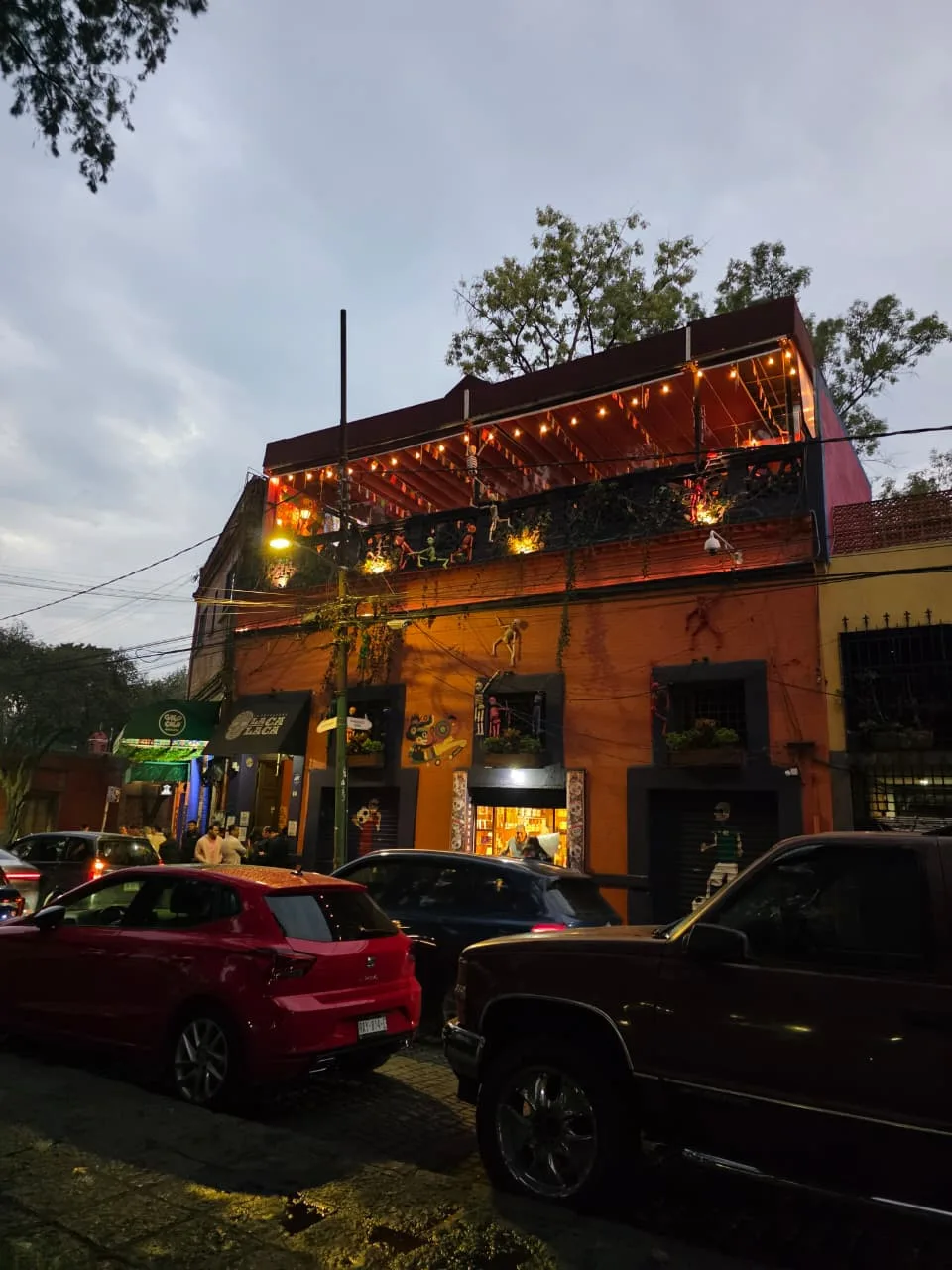
Base in Roma or Condesa for cafe streets and walkable evenings, in the Centro Histórico for sights and transit, in Polanco for polish and park access, and in Coyoacán for quiet colonial squares. The city's official visitor guide counts 12 landmark stops across the Roma, Condesa, and Polanco corridor alone as of October 2026. That tells you how much sits within one metro fare. Each area changes character a few streets in, so match the base to the trip before booking.
Neighborhood choice matters more here than in most capitals, because the city spreads wide and mornings are easier when breakfast is downstairs. If the year also holds a long-haul beach leg, the Thailand vs Bali comparison plans the other half.
The breakdown below walks through the four Mexico City neighborhoods travelers weigh most, then matches each one to a style of trip. For more city guides, start at the Destinations hub.
Where Should First-Time Visitors Base?
Roma and Condesa fit most first visits. The city's own guide calls them the most-visited areas by international guests. It maps the pair either side of Avenida Insurgentes, with Roma Norte at the walkable heart (see the official Condesa and Roma guide). Expect cafe blocks, small gallery storefronts, and restaurants that fill tables late. The two colonias sit close enough that you can book either and cross between them in a ten-minute walk.
Is the Centro Histórico a Good Place to Stay?
Yes, if sightseeing leads the itinerary. The city's guide notes the Centro holds the largest concentration of museums and cultural sites anywhere in the city, and most visits start at the Zócalo (per the Centro Histórico guide). Staying there trades quiet nights for steps-from-the-door access, since office crowds clear out by evening. Metro lines meet here too, which makes day trips simple.
What Does Polanco Offer Over Roma and Condesa?
Polanco runs quieter, greener, and pricier, with hotel rates to match the polish. It backs onto Chapultepec Park, which makes morning runs and museum days easy, and the restaurant row here draws bookings from across the city. Metro access stays reasonable, and evenings calm down early enough for morning flights. Choose it when comfort leads the shortlist, or when the trip centers on Chapultepec's museums rather than nightlife. We covered a connected angle in The Small Town Chef Story: Why Some Cooks Stay Put and Build a Destination Instead.
When Does Coyoacán Make Sense?
Coyoacán suits travelers who want squares and low-rise streets instead of downtown pace. The city's guide traces the borough to the first New Spanish city council, founded in 1521. Its twin squares, Jardín Hidalgo and Jardín Centenario, still follow the original 16th-century layout (read the Coyoacán guide). It sits south of the center, so budget transit time for downtown mornings, and plan a slow Sunday around the plaza, where Frida Kahlo's Casa Azul sits a few streets away.
How Do You Pick the Right One?
Match the base to the way the days will actually look.
- Roma or Condesa: food-led trips, walkable nights, first visits.
- Centro Histórico: museum marathons, short stays, early metro connections.
- Polanco: comfort-first budgets, Chapultepec mornings, quieter evenings.
- Coyoacán: slow stays, colonial squares, travelers who have seen the center before.
One middle path exists: Juárez, between the Reforma corridor and Roma, which borrows Roma's restaurant energy at slightly lower rates. It works well when a festival fills the usual bases, or when the budget sits between Centro prices and Polanco ones.
Conclusion: Let the Itinerary Choose the Neighborhood
Mexico City rewards a base chosen for the days you will actually live: Roma and Condesa for street-level energy, the Centro for sightseeing depth, Polanco for calm and comfort, Coyoacán for squares and shade. Decide what mornings should feel like, book inside the first three picks, and let the Metro handle the rest. Readers following this should also see Kyoto Travel Guide — Kyoto Beyond the Shrines: Where the City Keeps Its Quiet.