Kyoto's quiet is not hidden. It sits a few streets over from the crowds, in the neighborhoods where the city actually lives. The trick is simple: walk where the tour buses do not stop, go in the morning, and pick destinations chosen for calm rather than fame. That is the whole method, and it works in almost any season.
This kyoto travel guide focuses on those places. The city itself helps: Kyoto served as Japan's capital from 794 until 1868, and because it escaped wartime destruction, its older streets and buildings survived in a way few Japanese cities can match, as Japan-Guide notes in its city overview. It is also a big, working city of about 1.5 million people, so there is far more to it than the famous gates and pavilions. For a wider shortlist of places to compare it against, our destinations hub keeps things organized by season and cost.
Why does Kyoto feel so crowded, and where does it not?
The famous sights sit on the hillsides at the edge of the city, and most visitors reach them the same way: by the same handful of bus stops, in the same late-morning window. That concentrates enormous numbers into small spaces. The fix is to change two variables — the place and the hour — rather than to fight the lines.
The structure of the city works in your favor. Kyoto has more than 1,600 Buddhist temples and over 400 Shinto shrines, according to the travel writers at Earth Trekkers, who catalogued the city's highlights on a research trip. You will never see more than a fraction, so you may as well pick the fraction with room to breathe. The same logic applies to neighborhoods: several carry the same wooden-townhouse atmosphere as the famous districts, without the same foot traffic.
One practical note from the city itself: Kyoto's official tourism site, Kyoto Travel, publishes responsible-travel guidelines reminding visitors that many attractions sit next to residential areas, so quiet behavior is part of the deal, not just a preference. Keep your voice down in the lanes, and the lanes stay pleasant for everyone, including you.
Which neighborhoods reward an early start?
Start with the riverside and the lanes near it, then work outward. Pontocho, the narrow dining lane along the Kamo River, is listed by Japan-Guide among the city's atmospheric food streets; at dinner it fills, but in the early morning the river paths beside it are nearly empty and the light is good. The Kamo River walkway north of the city center is a local running and cycling route, and it costs nothing.
For a preserved-historic-district feel without the thickest crowds, go to Higashiyama at opening time rather than mid-morning. Japan-Guide ranks the district among the city's top sights, and the early hour is the difference between a stroll and a shuffle. The Philosopher's Path, the canal-side walking trail famous for its spring blossoms, is the same story: the guide lists it as a major walking route, and the quiet version of it exists only before roughly nine. For related coverage, see The Dolomites: Huts, Lifts, and Trails Without the Tour Buses.
What this means in practice: build each day around one early walk, then let the crowds arrive while you are already moving on. A stopwatch helps more than a guidebook here. Time your start, not your sights.
Where can you watch craftspeople at work?
Kyoto's craft tradition is a thousand years deep, and the city's official guide frames it plainly: for centuries, Kyoto has nurtured an elegant culture built on cleanliness, simplicity, and beauty in daily life, per Kyoto Travel. That culture is still practiced in small studios and specialist museums rather than staged for cameras.
A few reliable ways in. The Raku Museum, dedicated to the tea-bowl tradition of the Raku family, runs special exhibitions — the official events calendar lists a show of masterpieces by successive generations of the family running into December 2026. Textile and dyeing studios in the Nishijin weaving district north of the Imperial Palace offer a look at a living trade, though hours and access vary by workshop, so check before you go. And the Kyoto National Museum, which Japan-Guide describes as well presented on history and art, gives context for everything else you will see.
Our analysis: craft is the best-value quiet activity in the city. Studios and small museums rarely appear on tour-bus itineraries, they cost little or nothing beyond admission, and they explain the temples instead of competing with them.
Which markets and food streets are worth the morning?
Nishiki Market, the covered fresh-food street in central Kyoto, is the famous one, and Japan-Guide lists it among the city's top shopping stops. It is worth a visit, but it is also one of the busiest places in the city by late morning. Go when the shutters are still opening, buy breakfast rather than lunch, and walk out before the groups arrive.
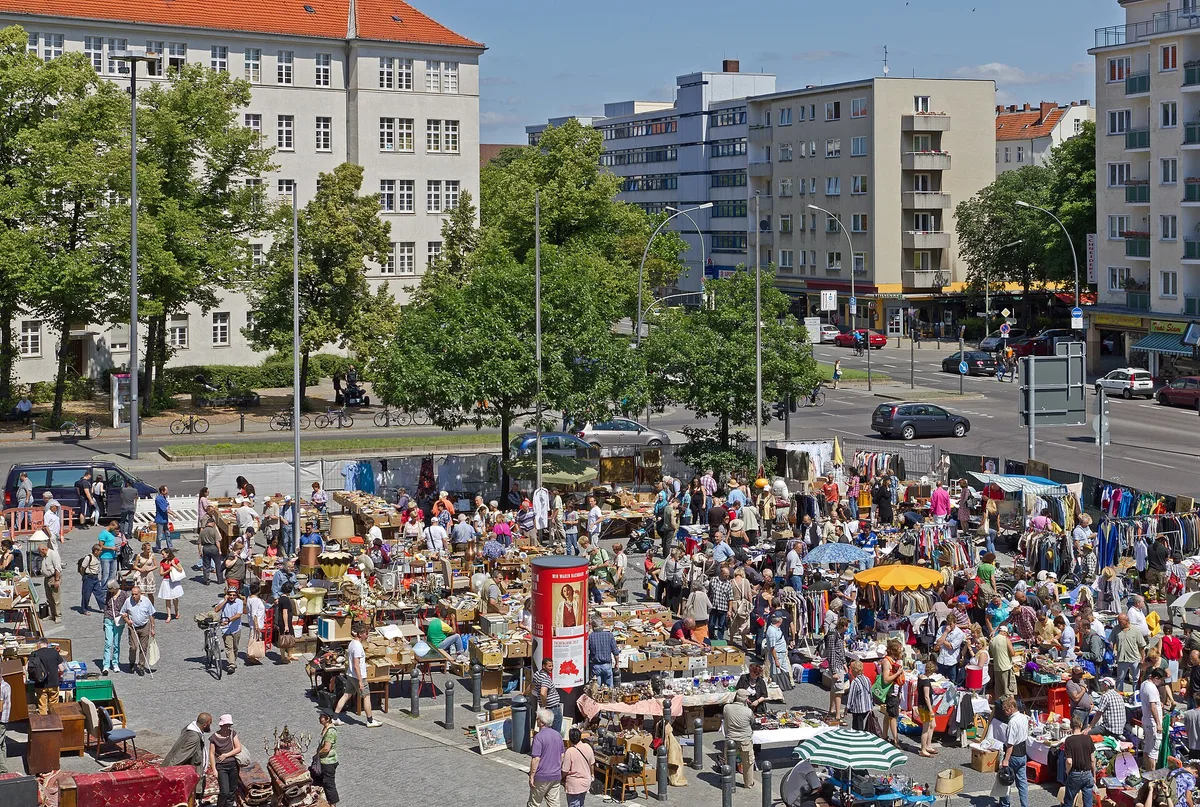
For a calmer version, two alternatives stand out from the evidence. Kitano Tenmangu shrine hosts a monthly flea market, as Japan-Guide notes — a genuinely local shopping event rather than a tourist one. And the Fushimi sake district, a traditional brewery quarter south of the center, pairs tasting rooms with canal-side streets that never approach Nishiki's density. Neither requires a reservation or a plan beyond an early arrival.
If you are building a Japan leg into a longer Asia route, season matters everywhere, not just here; our month-by-month guide to the best time to visit Southeast Asia covers the regional weather logic that shapes fares and crowds. This connects to our earlier piece, The Best Time to Visit Southeast Asia, Coast by Coast and Month by Month.
How far should you go for real quiet?
One hour out of the center, the crowds thin dramatically. Japan-Guide's area listings point to the northern mountains and the rural fringes: Kurama, a rural town with a temple and a hot spring, and Kibune, a shrine town in the same hills, both rate among the area's higher-scored sights. Ohara, a rural area north of the city known for Sanzenin Temple, is another. These are train-and-bus trips, not expeditions, and they turn a crowded city day into a walking day.
The same escape valve exists west, in Arashiyama, but with a catch. The district itself is heavily visited — Japan-Guide scores it among the city's most popular areas — yet the surrounding walks, including the bamboo paths beyond the main grove, absorb visitors quickly once you leave the entrance. The rule repeats: the famous gate is the crowd; the path behind it is not.
If you like this style of trip — famous region, unfamous routes — our walk through the Dolomites applies the same method to the Alps: pick the hut and the trail, skip the parking lot.
What should you take away from this guide?
The evidence supports a short list of habits. Go early, every day, without exception. Walk the river and the neighborhoods between sights instead of riding between them. Spend at least one morning on craft — a studio, a specialist museum, or the monthly flea market at Kitano Tenmangu. Take one trip to the northern hills, where Kurama, Kibune, and Ohara sit an hour away and a world apart. And treat the residents' guidelines the city publishes as the local rulebook, because in Kyoto they are.
What remains unknown is timing at the level of a given week: festival dates, temple special openings, and weather shift year to year. The city's official calendar is the source to check close to your dates. Rules and opening hours change — verify with the official source before you book anything. This is travel information, not a guarantee of any particular experience.