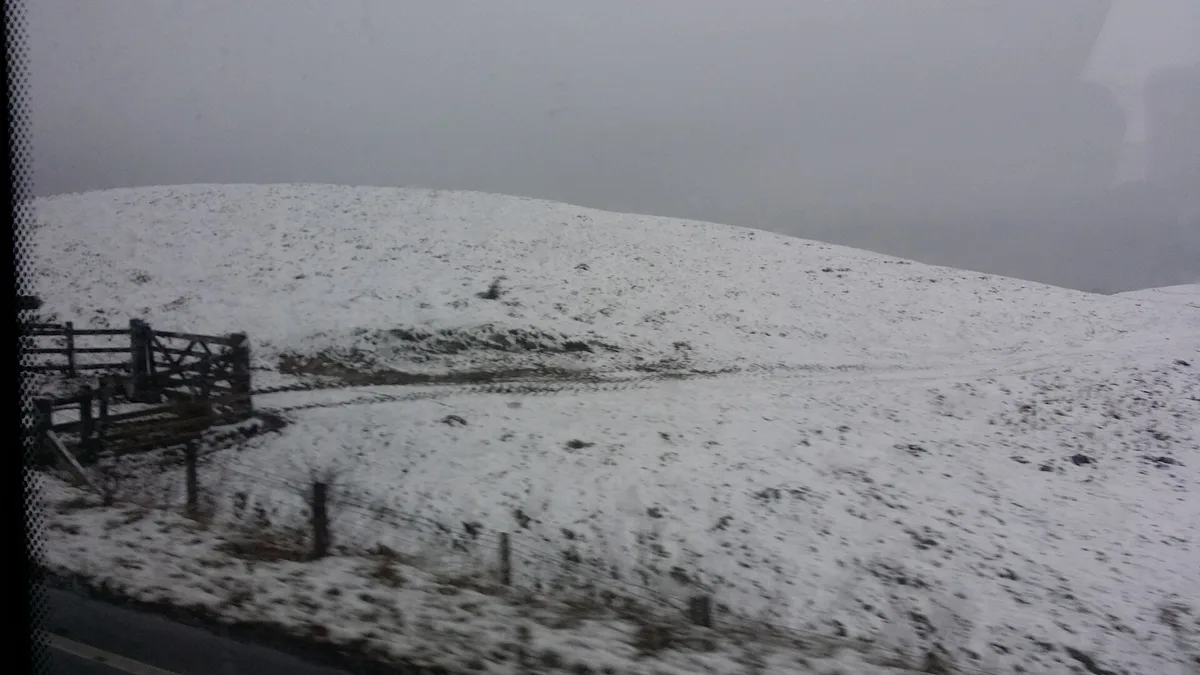
For the most drama packed into the fewest miles, the west coast loops win a Scottish Highlands road trip: the roads around Glencoe and the Isle of Skye deliver steep mountain walls, pale beaches, and loch views in short bursts, while the famous North Coast 500 spreads its drama thin over many days of driving. As of August 2026, the honest trade-off is the same everywhere in the Highlands — narrow roads, ferries, photo stops, and changing weather make journeys considerably slower than they appear on a map, a point Nomads Unveiled makes plainly in its overview of Scotland's best-known landscapes. Rank the routes by drama per mile, and the ranking below is what you get.
This is a comparison for travelers deciding where to point the car, not a promise of any particular view on any particular day. Weather decides that. What the evidence supports is which landscapes hold which kind of drama, and how much patience each route asks of you.
If you are still sorting out the paperwork side of a Scotland trip, our guide to the UK's ETA rules covers what US visitors need before boarding. This piece sticks to what happens after you pick up the rental.
Which Highland drive has the most drama per mile?
Glencoe wins on pure concentration. The glen is known for steep mountain walls and a dramatic road through it, and the drama starts almost the moment you turn off the main road. You are not driving an hour between highlights here; the walls close in, the light changes, and you are in it.
The catch is that the drama is brief. Glencoe is a passage, not a loop. Pair it with roads to the west or south to build a day, and treat it as the centerpiece rather than the whole trip.
How does the Isle of Skye compare?
Skye ranks second, and it is the route most people should actually book. The island stacks several kinds of drama — exposed coastline, isolated peaks, and loch scenery — into a compact area, so the ratio of memorable views to miles stays high. The island's landscapes are part of why Skye sits near the top of nearly every list of Scottish highlights, including the Nomads Unveiled roundup cited above.
The catch is traffic and pace. Narrow roads, photography stops, and weather slow everything down, and in high season the slowdown includes other visitors doing exactly what you are doing. Build slack into every day. A drive that looks like two hours on a map can easily eat a morning.
Is the North Coast 500 worth the hype?
The NC500 ranks third on drama per mile, and that ranking is about density, not quality. The route has become Scotland's most famous driving itinerary, and its northwest section delivers exposed coastline, pale beaches, and isolated peaks of the kind the guides single out. But a long loop means long stretches between highlights, so the per-mile average dips even when the peaks are superb.
Who should still choose it: travelers with a week or more who want the journey itself to be the point, and who are happy trading density for variety — fishing towns, farmland, and whisky country sit alongside the coast. Who should not: anyone squeezing the Highlands into three or four days. Short on time, the west coast beats it. We covered a connected angle in The Best Time to Visit Southeast Asia, Coast by Coast and Month by Month.
What about the quieter eastern side?
The Cairngorms route ranks fourth, and fourth is not a criticism. The eastern Highlands gradually meet forests and broad valleys rather than sea cliffs, so the drama is gentler: big skies, woodland, and a landscape that reflects farming and conservation more than raw rock. For a rainy day, a family with young kids, or a second visit, it is the right choice.
One thing worth knowing before you go: the Highlands are not empty wilderness. As the Nomads Unveiled overview notes, the landscapes also reflect farming, sporting estates, depopulation, tourism, conservation, and the Highland Clearances. Reading a little about that history changes what you see from the car window, mostly for the better.
Single-track roads and midges: what nobody tells you
Two practical realities shape every one of these drives, and both deserve plain talk.
Single-track roads. Much of the west and north runs on roads wide enough for one vehicle, with passing places at intervals. The etiquette is simple: pull into a passing place to let oncoming cars by, and let faster drivers past when they queue behind you. It is not difficult, but it is tiring, and it is a big part of why Highland journeys run slower than map math suggests — the slowness the cited source flags applies to nearly every rural road here.
Midges. These are tiny biting insects that swarm in warm, still, damp conditions, mostly in summer and mostly near water and vegetation. They will not ruin a driving trip — you meet them when you stop — but they can ruin a picnic. The fix is unromantic: plan stops where there is a breeze, keep a head net in the door pocket, and save the still-air viewpoints for early evening when the wind usually drops. We mention this because every Highlands guide says the scenery is the attraction; the honest version adds that the scenery comes with small print.
Practical steps: how to pick your loop
Our analysis, based on the landscape evidence above, comes down to time and taste:
- Three or four days? Base yourself around the west coast. Glencoe plus a Skye run gives the highest drama density for the miles driven.
- A week or more? The NC500 earns its reputation, provided you accept the thinner stretches and treat the drive as the experience.
- Traveling outside peak season, or with kids? The Cairngorms side trades cliffs for forests and valleys and asks less of the driver.
- Every option: add buffer time to every leg. Distances deceive in the Highlands, and the sources agree that cars offer the most freedom — but only if you budget the hours honestly.
A note on food, because a road trip is also a eating itinerary: the Highlands reward planning. Settlements are sparse, kitchens close early, and the meal you get in a village hotel at 8 p.m. is not the meal you get in a city. Book dinner where you can, and treat a good lunch stop as a destination in its own right. For a different take on how small food towns become destinations in their own right, see our Small Town Chef story — the pattern travels well. For related coverage, see The Small Town Chef Story: Why Some Cooks Stay Put and Build a Destination Instead.
Culture adds a layer too. Scottish identity runs deep in the Highlands, where Gaelic place-names, clan history, and community traditions shape what you pass through. As Scotland's Enchanting Kingdom explains, Scottish culture is regional — Highlands, Lowlands, Islands, and cities each express it differently — and the Highlands shaped much of the global imagery of kilt, tartan, and piping. Community-led moments beat staged attractions, so a village ceilidh night is worth more than a gift-shop experience. The Scots and Gaelic languages remain part of daily identity; census figures cited by that guide show over 1.5 million people reported they could speak Scots as of 2022.
The bottom line on Highland driving
The evidence supports a simple ranking: Glencoe for concentrated drama, Skye for the best all-round loop, the NC500 for travelers with time to spare, and the Cairngorms for a gentler, greener take. What remains unknown is your weather — and that, more than any route choice, will write the real itinerary. Rules and conditions change, so verify road status and ferry timetables with official sources before you book. This is travel information, not advice for any individual trip.