Charleston rewards the traveler who slows down. You can kayak the harbor in the morning, walk three centuries of architecture after lunch, and eat a plate of shrimp and rice that tastes like the marsh it came from — all in one day. The catch is that the city's popularity has real costs for the people who call it home, and how you plan decides whether your visit adds to the strain or eases it.
This guide covers what to do, what to eat, and — just as important — how to spend so your dollars land with locals instead of leaking past them. Nothing here requires a visa for US travelers, so the planning work is mostly about timing, pacing, and where you put your money.
What is Charleston actually like to visit?
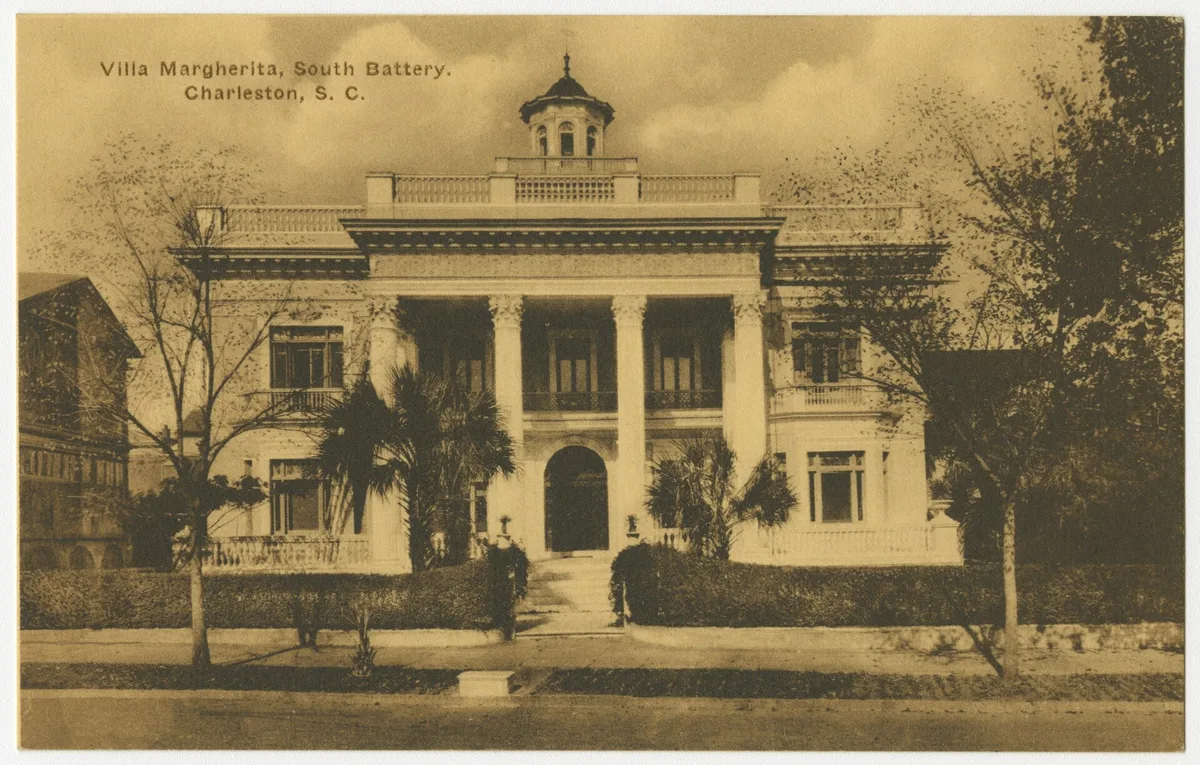
Picture a compact, walkable peninsula where the past is not behind glass. Historic homes line streets that still carry daily life. The water is never more than a few blocks away. As the local visitor resource Charleston.com puts it, the city offers a range that runs from watersports to historic tours, nightlife to plantations — which is a polite way of saying you cannot do it all in a weekend, so choose.
The practical answer for a first visit: pick two themes, not six. A history morning and a food afternoon beats a frantic checklist every time. If you like comparing cities on pace and mood rather than attraction counts, our Kyoto Beyond the Shrines: Where the City Keeps Its Quiet piece makes a useful companion read — both cities reward travelers who leave room in the schedule.
How do you see the history without turning it into a photo walk?
Charleston's history is beautiful and heavy at once. The city's wealth was built in part on enslaved labor, and the plantations and historic sites around it now tell that story with varying degrees of honesty. Go, but go prepared to listen rather than just admire the gardens.
- Take a guided walking tour downtown. A good guide connects the architecture to the economy and the people who built it, not just the paint colors.
- Visit a plantation site and read which parts of the story it centers. Magnolia Plantation & Gardens is one of the well-known options listed in the local visitor guide, and sites like it vary widely in how they present the lives of the enslaved community.
- Walk Waterfront Park and the City Market area, both highlighted by Charleston.com, but note who is selling and who is buying. The market's vendors are working small businesses, not scenery.
The standing caveat applies everywhere in the South: site hours, tour content, and admission approaches change. Check the official site before you book.
Where should you eat, and how do you eat like a local?
This is the part where my upbringing gets loud. I grew up above a small family trattoria outside Bologna, and the first thing I ask in any food city is: who is actually cooking, and where do the kitchen staff eat? Charleston answers both questions well if you look past the famous dining rooms.
The city's restaurant scene is genuinely deep — Charleston.com's guide to the local scene describes a vibrant bar and restaurant landscape with live music alongside it. The Lowcountry classics to hunt down: shrimp and grits, she-crab soup when it is in season, Hoppin' John and rice dishes that carry West African roots through generations of Lowcountry kitchens, and oysters in the cool months.
Three habits that change what you eat here:
- Ask who supplies the seafood. Local shrimp and local oysters are a point of pride, and a server who can name the source is telling you the kitchen cares.
- Eat one meal away from the postcard streets. The neighborhoods a short ride from the peninsula — James Island has that relaxed, local feel, per Charleston.com — feed the people who live and work in the tourism economy.
- Keep receipts, as I do for every review. Not to audit yourself, but because knowing what a meal actually cost is the honest baseline for deciding what it was worth.
One more thing worth saying plainly: Charleston restaurants, like restaurants everywhere in busy tourist cities, have a reputation for occasionally treating solo diners — particularly women dining alone — as an afterthought. A bar seat at an off-peak hour usually solves it, and the bar is often where the best conversation in the room happens anyway.
How does tourism affect the people who live here?
Charleston is one of the clearest examples in America of a city loved almost to inconvenience. The same popularity that keeps restaurants full and tour guides employed also pushes housing costs and everyday prices upward for residents. You will not fix that in a weekend. But your choices shift the balance a little.
What this means in practice:
- Choose locally owned restaurants, shops, and tour operators over chains wherever you can. A dollar spent at a family business stays in a family business.
- Book tours with guides who live here and can speak to the city's full history, not just its prettiest chapter.
- Visit in shoulder seasons if your schedule allows. Spreading demand across the year eases the summer crush that residents feel most.
- Treat neighborhoods as neighborhoods. People live behind those famous pastel facades; keep porch-gazing brief and voices down on residential streets.
None of this is sacrifice. In my experience, the locally owned oyster bar with paper towels on the table beats the polished concept restaurant more often than not — and it costs less.
What should a first-timer actually do with two or three days?
Here is a simple shape for a short visit, built around what the local visitor guide lists as the city's core offerings:
- Day one, morning: a historic walking tour downtown. Book it early in the trip so the stories shape everything you see afterward.
- Day one, afternoon: Waterfront Park and the City Market, then an early dinner somewhere locally owned.
- Day two, morning: get on the water. Charleston.com lists paddleboarding, kayaking, and boating among the city's main activities, and seeing the peninsula from the harbor reframes everything you walked the day before.
- Day two, afternoon: a plantation or garden visit, chosen for how honestly it tells its story — or three beaches, each with its own character, if you would rather let the coast do the talking.
- Day three: one slow meal, one neighborhood you have not seen, and time to sit still. Fishing charters are an option if you want to catch your own dinner; several local operations will cook your catch.
If you are building a broader trip around Charleston — the Blue Ridge, the coast, a longer Southern loop — our planning hub has the timing and budgeting pieces that come before any itinerary. And if the food angle is what pulled you here, the way small kitchens become destination-defining is exactly the subject of The Small Town Chef Story: Why Some Cooks Stay Put and Build a Destination Instead. This connects to our earlier piece, The Small Town Chef Story: Why Some Cooks Stay Put and Build a Destination Instead.
Our analysis: the version of Charleston worth flying for
The classic South, done right, is not the version on the mint-julep postcard. It is a working port city where the food is honest about its origins, the history is finally being told in full, and the best meals often happen a few blocks from where the tour buses stop. Go for the architecture, stay for the rice and the stories, and spend like someone who knows the difference between a souvenir and a contribution. The city has carried harder chapters than tourism. It can carry yours too — if you carry it kindly.