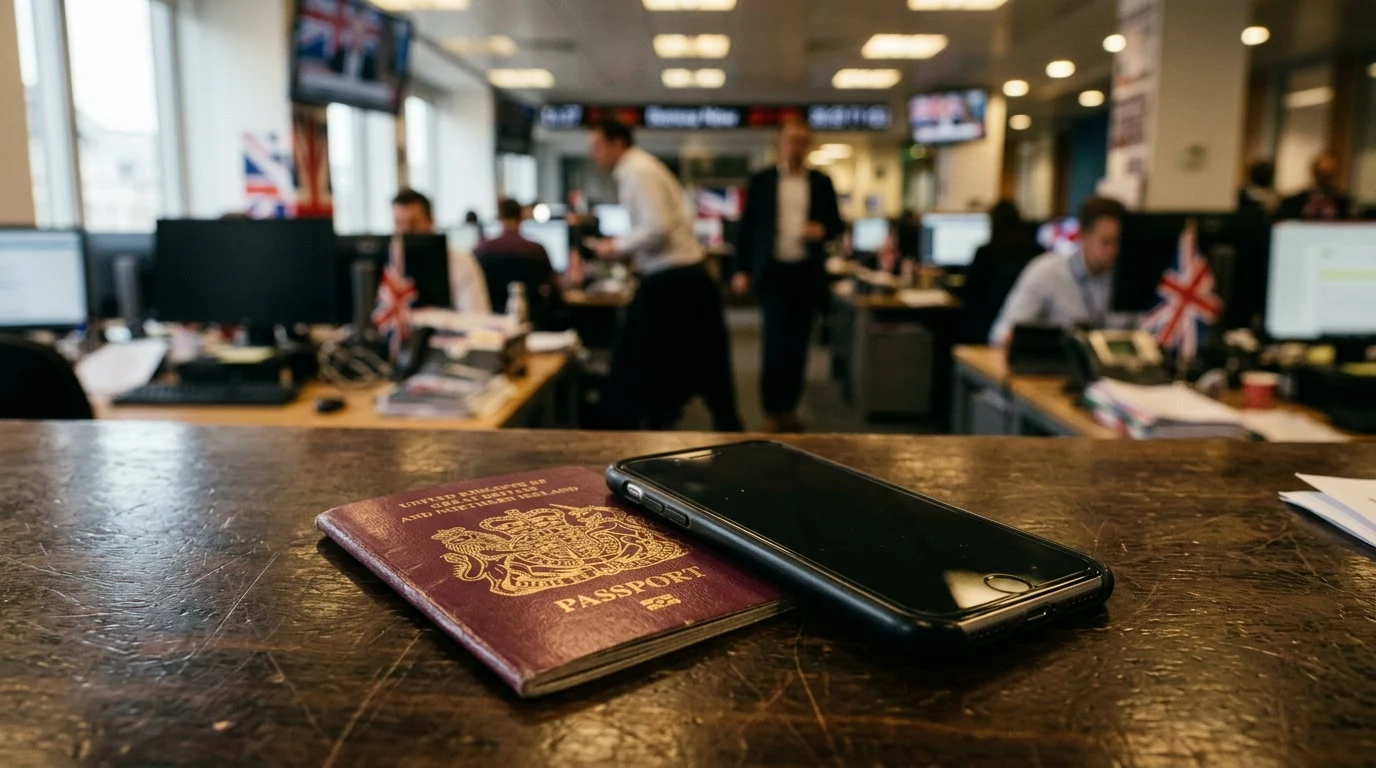
Do You Need a Visa for the UK? The ETA Rules, Dated
US citizens don't need a visa for short UK trips, but skipping the £20 Electronic Travel Authorisation will get you turned away at check-in. Here's how it works, as of August 2026.
Destination coverage built around decisions: when a season actually works, what a day costs at different budgets, how many flights it takes to arrive, entry paperwork and safety conditions. Comparisons place similar options side by side. For travelers narrowing a shortlist rather than browsing for inspiration.
Countries and regions compared on season, daily cost, ease of access and entry paperwork.
US citizens don't need a visa for short UK trips, but skipping the £20 Electronic Travel Authorisation will get you turned away at check-in. Here's how it works, as of August 2026.
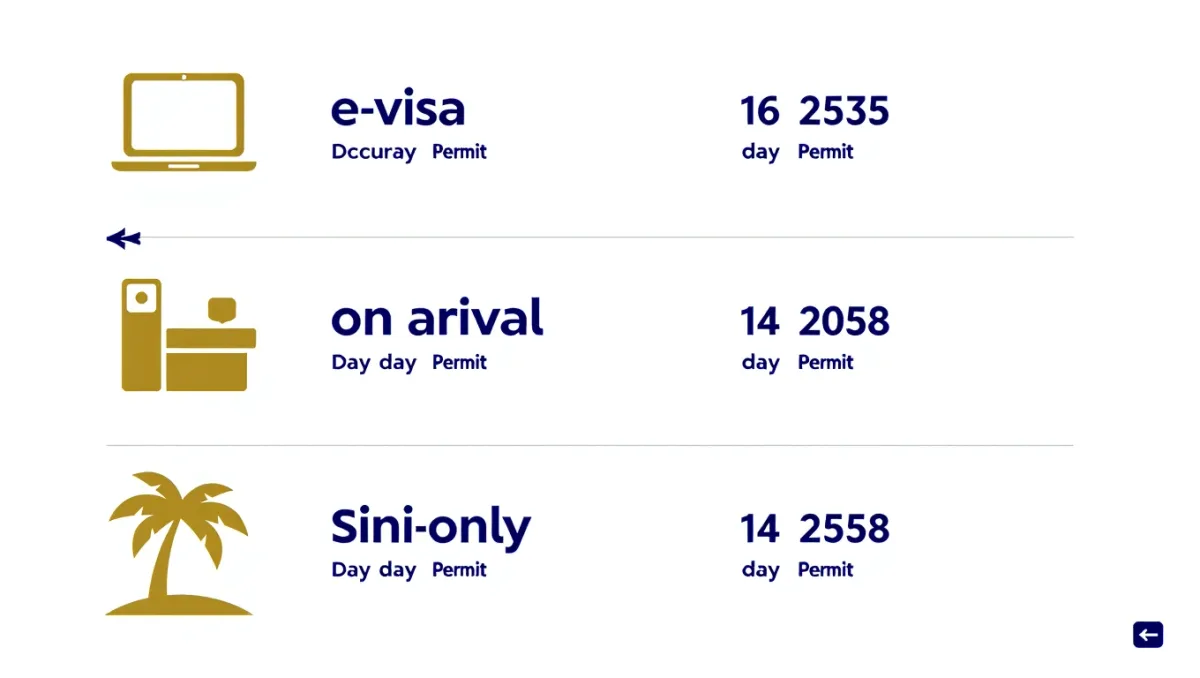
US citizens need a visa for Egypt — the 30-day tourist visa costs $25 as an e-visa or on arrival at major airports, a multiple-entry version runs $60, and a free Sinai-only permit covers Red Sea resort trips.

US citizens may spend 90 days inside the Schengen area in any rolling 180-day window — the count runs backward from today, covers every Schengen country as one zone, and an overstay follows you to every future entry.
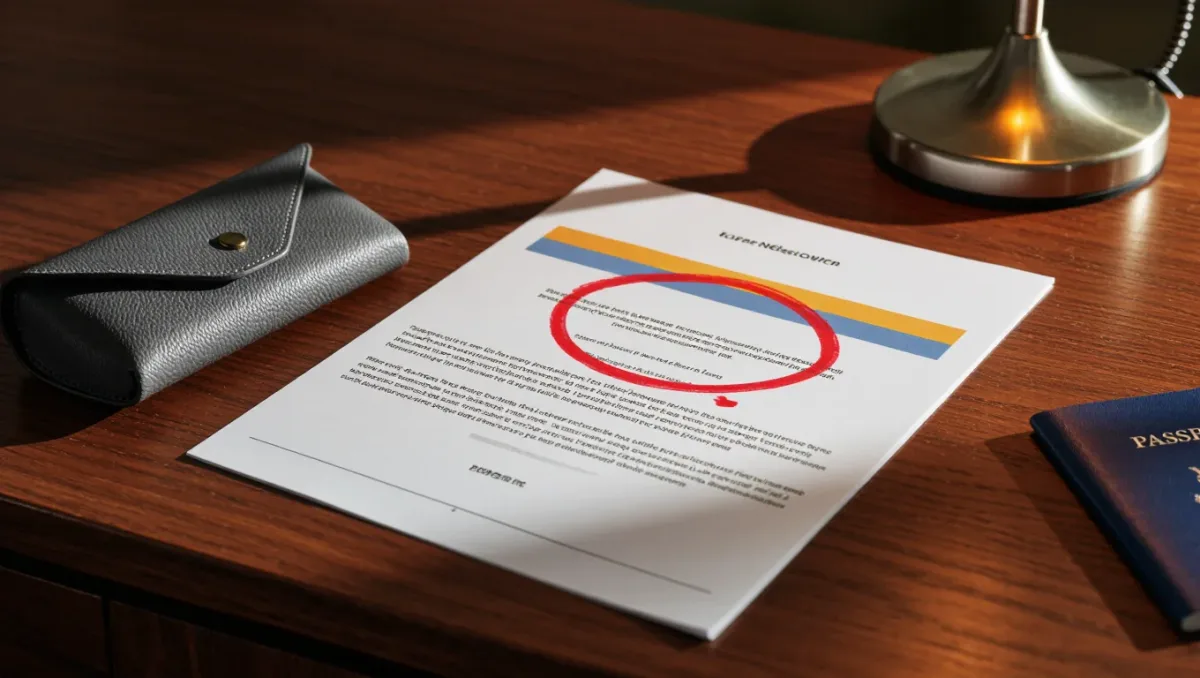
Advisories run from Level 1, exercise normal precautions, to Level 4, do not travel — but the level is only the headline; the risk indicators and country page carry the planning information a traveler actually needs.
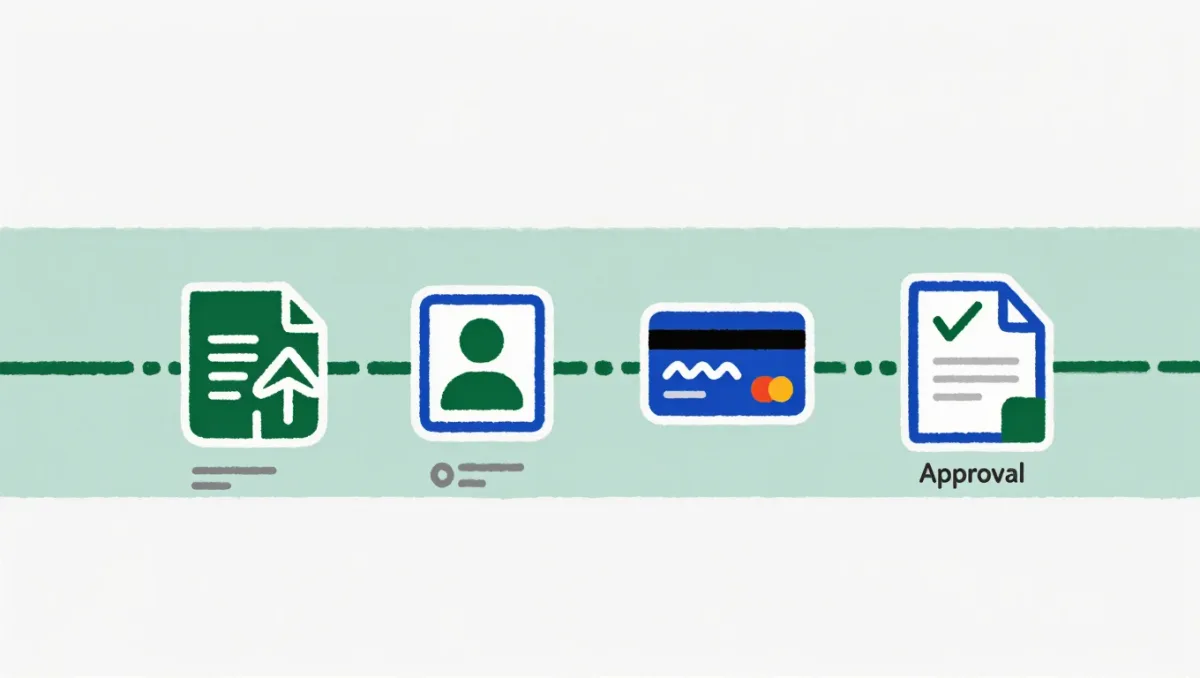
US travelers apply online for Vietnam's 90-day e-Visa — $25 single entry or $50 multiple entry at the official portal, about three working days to process, valid at every border type including land crossings.

There is no single best month for Southeast Asia — November to March favors Thailand's west coast and Vietnam's south, April to October favors Indonesia and the Gulf coast — so pick the coasts first, then the calendar.