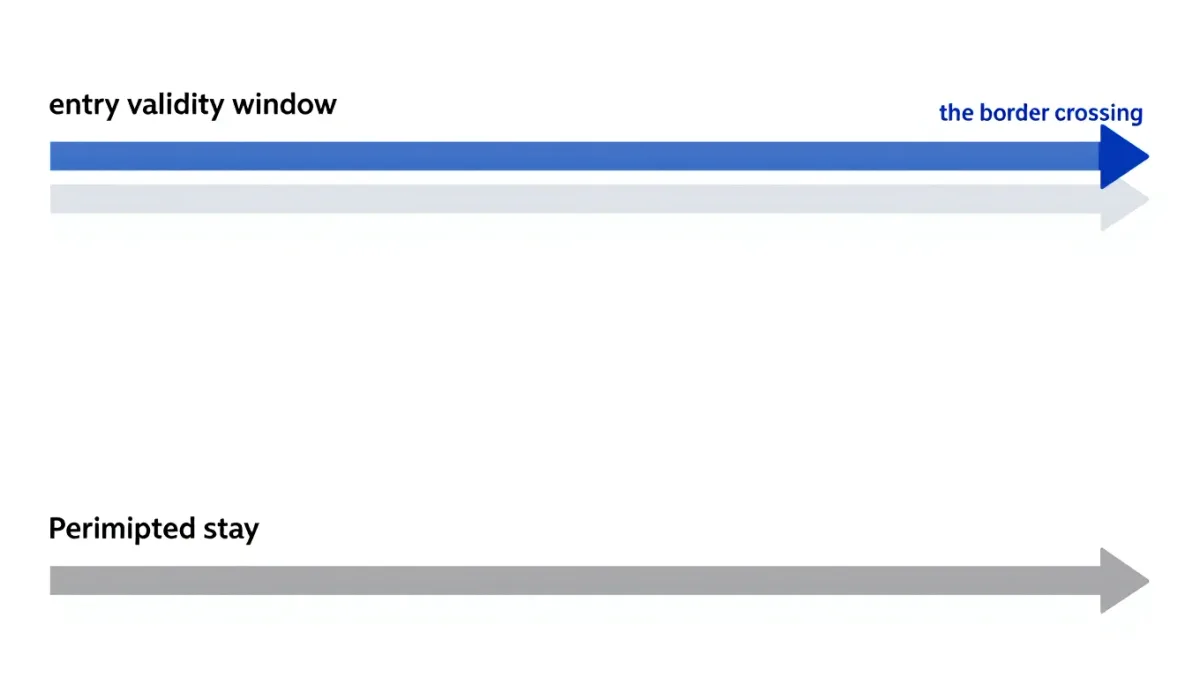
Validity says when you may enter; duration of stay says how long the entry lasts — and in the US, the admission record on your I-94 outranks both the visa and the passport.
An invitation letter answers the questions who, where, why, and who pays — and the financial commitment it states is only legally binding in some countries, which changes how much evidence the sponsor must add.
Most visa refusals at intake are clerical — a photo older than six months, a name typed differently than the passport, an answer that contradicts your last application — and all three are free to fix.
The entries line on a visa counts border crossings, not trips — and one afternoon in a neighboring country can quietly use up your second and last entry.
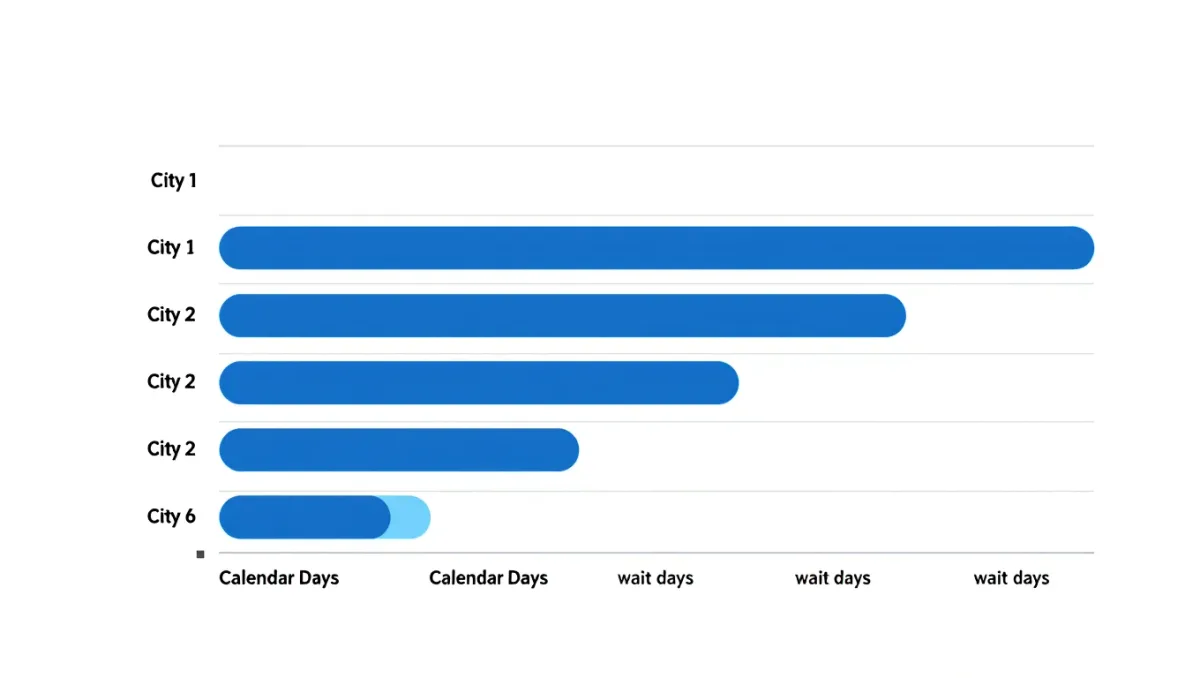
The State Department's monthly wait-time tool shows two separate clocks — interview appointment and administrative processing — and reading them correctly changes when you book, not just when you apply.
The Schengen short-stay application runs on a simple rulebook: apply at the consulate of your main destination, between six months and 15 days before travel, with a €90 fee since June 2024.